
Did you know your credit score could be the difference between securing favourable loan terms and paying higher interest rates? Your credit score, which ranges from zero to 1,000 – 1,200 depending on the credit reporting bureau, serves as a financial report card for lenders when determining your creditworthiness.
We often underestimate the importance of regularly checking our credit scores and understanding the factors that influence them. According to Equifax, Australia’s average credit score is 846; however, many Australians are unaware of their current credit status. Fortunately, checking your credit score in Australia is straightforward and free of charge. You are actually entitled to access your credit report at no cost every three months. Check your credit score from anywhere in Australia with My Credit File or the CommBank app.
Throughout this article, we’ll explore what makes up your credit score, how different agencies like Equifax, Experian, and Illion calculate it, and most importantly, the steps you can take to improve and maintain a healthy credit rating for long-term financial success.
Understanding Your Credit Score in Australia

Your credit score functions as a financial fingerprint that reflects your borrowing behaviour. In the Australian financial landscape, this numerical indicator plays an important role in determining your access to loans and credit products.
What is a Credit Score?
A credit score is a number that represents your risk of future defaults based on your credit history. This score essentially summarises your financial reliability, calculated from your credit report, which contains details of your borrowing and repayment history.
The score matters because it influences whether lenders will approve your applications and the terms they’ll offer. A higher score signals that you’re less risky to lend to, consequently increasing your chances of loan approval and potentially securing better interest rates. Furthermore, your credit score helps you maintain awareness of your financial health, enabling you to identify and address issues before they become problematic.
Credit Score Ranges by Equifax, Experian, and Illion
In Australia, three leading credit reporting agencies calculate credit scores, each using different scoring ranges:
- Equifax: Scores range from 0-1200
- Below average: 0-459
- Average: 460-660
- Good: 661-734
- Very good: 735-852
- Excellent: 853-1200
- Experian: Scores range from 0-1000
- Below average: 0-549
- Fair: 550-624
- Good: 625-699
- Very good: 700-799
- Excellent: 800-1000
- Illion: Scores range from 0-1000
- Low score: 1-299
- Room for improvement: 300-499
- Good: 500-699
- Great: 700-799
- Excellent: 800-1000
How Lenders Use Your Credit Score
Lenders primarily rely on your credit score when assessing loan applications. They use this rating, alongside their own risk criteria, to make crucial decisions, including:
- Whether to approve your application
- How much to lend you
- What interest rate to charge
While your credit score is significant, it’s not the only element lenders consider. Many also evaluate your income, existing debts, and assets when making lending decisions.
Credit providers benefit from credit reports through improved risk assessment, allowing them to offer customised loans with risk-based pricing for different borrower segments. Additionally, comprehensive credit information helps lenders make more informed decisions throughout the entire credit lifecycle, from pre-screening to account management.
How to Check Your Credit Score for Free
Monitoring your credit score regularly helps you make informed financial decisions and spot potential issues early. Thankfully, checking your credit score in Australia costs nothing if you know where to look.
In Australia, your credit score information is held by credit reporting bodies (CRBs). Initially, you’ll need to provide identification documents such as your passport, driver’s licence, or Medicare card to verify your identity. Once verified, you can request your credit report through online portals, via email, or by mail.
Credit Score Check Australia: Free Tools and Agencies
Three main credit reporting agencies operate in Australia, each maintaining its own records:
- Equifax – Access via mycreditfile.com.au or call 138 332
- Illion – Visit illion.com.au or call 132 333
- Experian – Check through experian.com.au or call 1300 783 684
Moreover, some banks, such as CommBank, offer credit score checking through their apps, powered by services like Credit Savvy. Typically, online services provide faster access to your report compared to email or mail requests.
What to Expect in your Credit Report
Your credit report contains comprehensive information, including:
- Personal identification details
- Credit accounts and their status
- Repayment history for the past 24 months
- Credit applications and enquiries
- Default listings (kept for 5 years)
- Court judgements and bankruptcy information
Importantly, each agency might hold slightly different information about you, which is why checking reports from all three agencies gives you the most complete picture.
How Often Can You Request a Report
You can obtain a free copy of your credit report once every three months from each credit reporting agency. Additionally, you’re entitled to a free report if you’ve been refused credit within the past 90 days or if corrections have been made to your report.
Generally, online reports are available within one to two days, whereas email or mail requests may take up to 10 days to process.
Factors That Influence Your Credit Score
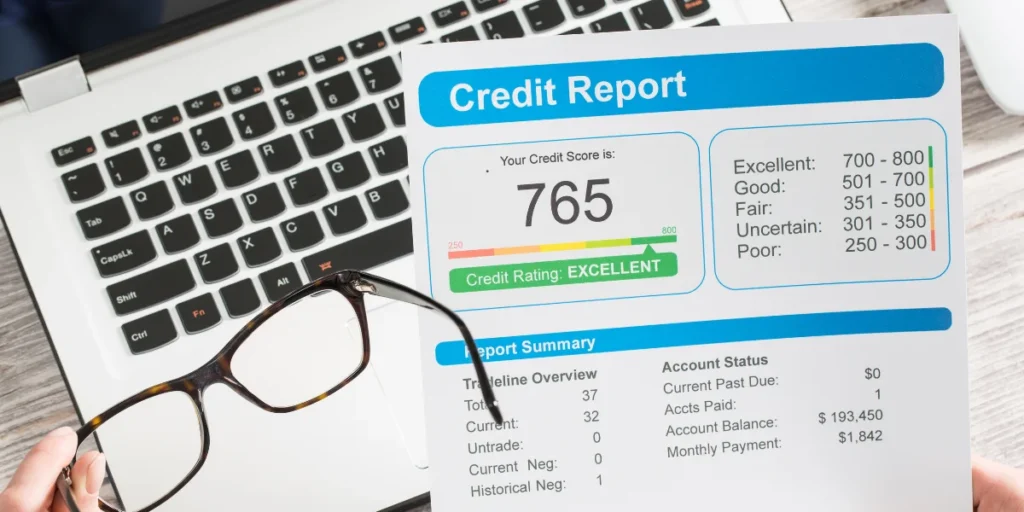
Several key elements impact how your credit score is calculated in Australia. Understanding these factors helps you take control of your financial standing.
Repayment History and Missed Payments
First and foremost, your payment history has a significant impact on your credit score. Any payment made more than 14 days after the due date is recorded as a late payment and remains on your report for 2 years. Missing a payment by 30 days might reduce your credit score by about 100 points.
Number of Credit Applications and Enquiries
Submitting several loan applications within a short timeframe can negatively impact your credit score. Each credit enquiry stays on your report for 5 years. Lenders view numerous applications as a sign of potential financial stress.
Defaults, Bankruptcies, and Court Judgments
A default occurs when a payment of AUD 229.35 or more is overdue for at least 60 days. Defaults remain on your report for 5 years, bankruptcies for 5 years, and court judgements for 5 years. Even a single default can decrease your score by up to 350 points.
Length of Credit History and Account Types
The age of your credit accounts directly impacts your score. A more extended credit history demonstrates your ability to manage credit responsibly over time. This factor accounts for around 15% of your credit score calculation.
Positive Behaviours That Improve Your Score
Consistently paying bills on time, limiting new credit applications, and maintaining various credit account types all contribute positively to your credit score. Under Comprehensive Credit Reporting (CCR), on-time payments now actively boost your score.
Steps for a Healthy Credit Score

Improving your credit score requires consistent financial discipline and strategic action. Following these proven strategies will help boost your creditworthiness over time.
Paying Bills and Loans on Time
Timely payment is the most significant factor affecting your credit score. Setting up automatic payments through online banking prevents missed deadlines. Remember that payments made more than 14 days late are recorded on your credit report, whilst those over 60 days late and AUD 229.35 or more become defaults.
Limiting New Credit Applications
Each credit application stays in your file for 5 years. Experts recommend following the “six-month rule”—limiting yourself to one or two credit enquiries every six months. Instead of submitting multiple applications, use online calculators to research financial options beforehand.
Lowering Credit Card Limits Where Possible
Lenders consider your total available credit when assessing applications. Lowering unused credit limits improves your debt-to-credit ratio. This ratio represents your total debt divided by available credit, with lenders typically preferring a ratio below 30%.
Correcting Errors in Your Credit Report
Credit reporting bodies must ensure information is accurate and up-to-date. If you spot errors, first contact the relevant credit provider. Subsequently, if unsatisfied, approach any credit reporting body—they must investigate within 30 days. This correction service is entirely free.
Avoiding Credit Repair Scams
Beware of companies charging fees to “repair” your credit score. These services often demand upfront payments exceeding AUD 1528.99. Instead, utilise free resources like the National Debt Helpline (1800 007 007) for guidance. Legitimate services never guarantee results or require large upfront payments.
Conclusion – Credit Score
Your credit score undoubtedly plays a crucial role in your financial well-being. Throughout this article, we’ve explored how this three-digit number affects your borrowing power and financial opportunities across Australia. Understanding your position on the scoring scales used by Equifax, Experian, and Illion provides valuable insight into how lenders assess your creditworthiness.
Regularly monitoring your credit score should become a habit, especially since free options are available through official agencies and banking apps. This practice enables you to identify errors promptly and address potential issues before they escalate. Remember, you can access your full credit report without charge once every three months from each reporting body.
Finally, while we can’t erase legitimate negative information, we can focus on building positive credit behaviours moving forward. Timely payments, responsible credit utilisation, and periodic reviews of your credit report altogether create the foundation for financial success. Your improved credit score will lead to better loan conditions, reduced interest rates, and greater financial freedom throughout your life.
What are the main factors that influence your credit score in Australia?
The key factors include your payment history, credit utilisation, length of credit history, types of credit accounts, and recent credit applications.
How long do negative items remain on my credit record in Australia?
Different information remains on your credit report for varying periods. Late payments are recorded for 2 years, defaults for 5 years, and bankruptcies for 5 years. Court judgments also stay on your report for 5 years.