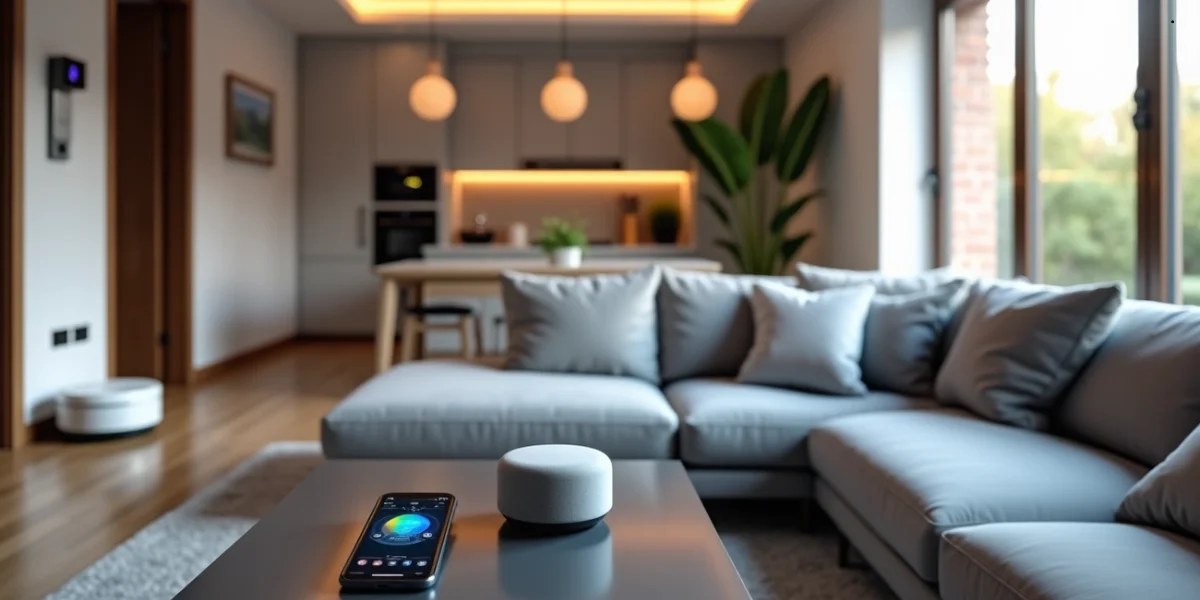
Smart home devices are no longer futuristic novelties but essential tools that transform how people interact with their living spaces. Nowadays, the opportunities for smart automation at home are nearly endless with all the tools available, from the latest Echo Show models to sophisticated security systems.
Furthermore, smart home technology offers significant practical advantages through sensors, tracking, scheduling, remote control and app management. Additionally, smart automation optimises energy use, reducing utility bills and enhancing convenience.
This guide explores the best smart home devices across various categories, helping you make informed decisions whether you’re just beginning your smart home experience or looking to expand your existing setup. From voice-controlled assistants to advanced security cameras and energy management systems, we’ll examine the latest smart home devices that make homes smarter, safer and more efficient.
Smart Home Hubs and Assistants
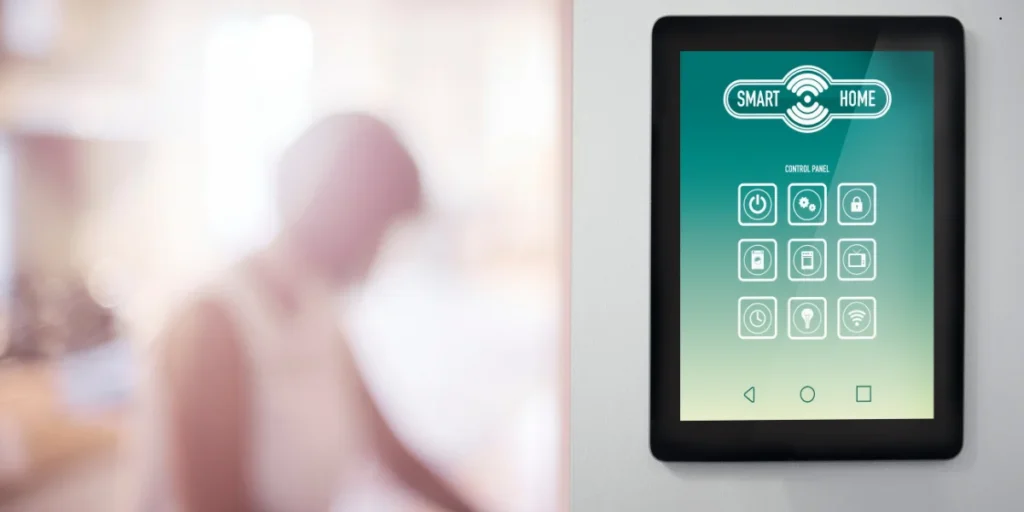
The foundation of any home with smart automation starts with selecting the right central command system. Smart home hubs and voice assistants serve as the brain of your automated living space, connecting and controlling all your smart devices through simple voice commands or app interfaces.
Alexa, Google Assistant, and Siri
The battle for smart home technology continues in 2026 among the three major voice assistants, each with distinct strengths that appeal to different users.
Amazon’s Alexa remains the most versatile option for most households. Having tested all major systems, experts consider Alexa the best smart home hub for its extensive device compatibility and straightforward setup. Alexa works with thousands of smart home devices across different connectivity requirements, including Wi-Fi, Bluetooth, Zigbee, and Matter. Its sophisticated routines allow users to create complex automations between devices.
Google Assistant offers an exceptional app experience with an intuitive interface that makes navigation simpler than competitors. Although it supports fewer smart home devices than Alexa, Google Assistant still connects with thousands of products and excels at answering natural-language questions. According to research, 62% of Australian smart speaker owners choose Google devices, compared to Amazon’s 14% market share.
Apple’s HomeKit provides the most privacy-focused approach. Though HomeKit works with significantly fewer devices than its competitors—only about 100 brands compared to thousands for Alexa—it offers secure camera footage storage through iCloud and tight integration with Apple products. For iPhone users prioritising privacy and security, HomeKit presents compelling advantages despite its limitations.
Smart Speakers vs Smart Displays
Both smart speakers and displays serve as central control points for your connected home, though they differ in key aspects that affect functionality.
Smart speakers operate only via voice commands, typically featuring status lights to indicate when they’re listening or processing. They tend to be more affordable entry points to smart home systems, with basic models starting around £25.
Smart displays, however, combine voice control with touchscreen interfaces that provide visual feedback and additional functionality. They allow users to:
- Stream video content from services like Netflix
- View security camera feeds in real-time
- Control smart home devices through intuitive visual dashboards
- Make video calls and join virtual meetings
- Display digital photos when not in use
Research shows that visual dashboards significantly improve user interaction with complex smart home systems. This visual interface makes managing multiple devices more intuitive, especially for family members unfamiliar with specific voice commands.
Sound quality varies across both categories, with premium options like Apple’s HomePod and Amazon’s Echo Studio offering superior audio performance for music enthusiasts. Many speakers can also be configured to create TV surround sound systems when paired with compatible streaming devices.
Best Hubs for Device Compatibility
The Aqara Hub M3 stands out as a top choice for maximum compatibility. It works with all major smart home ecosystems, including Apple HomeKit, Google Home, Alexa, and Samsung SmartThings, making it exceptionally versatile for mixed-brand homes.
For users of the Amazon ecosystem, the Echo (4th generation) excels with its multiple radios (Bluetooth, Wi-Fi, and Zigbee) that connect to numerous low-power smart devices. Its routines allow sophisticated triggers to activate other connected products automatically.
Google’s Nest Hub Max provides excellent visual controls through its 10-inch screen, which displays footage from compatible security cameras and lets you control smart lights and other devices on-screen. Its 6.5MP camera enhances video calls by automatically following you as you move across the room.
For power users seeking granular control, the Hubitat Elevation, though it has a steeper learning curve, offers incredibly specific rules for smart device activation via its web interface. Meanwhile, Samsung’s SmartThings platform (available via the Aeotec Smart Home Hub) enables deeper device integration and more sophisticated routines.
The emerging Matter standard represents a significant advancement, enabling certified devices and systems to connect regardless of manufacturer or platform. By improving interoperability and prioritising security, Matter aims to make smart homes less fragmented and more accessible for everyone.
Lighting and Power Control
Lighting control represents one of the most accessible and practical entry points into smart home technology. Modern smart lighting solutions not only enhance convenience but can reduce energy consumption by up to 85% compared to traditional bulbs.
Smart Bulbs with Colour and Scheduling
Smart LED bulbs instantly transform a room’s ambience without requiring dimmer switch installation. These connected devices allow users to adjust brightness, colour, and scheduling through smartphone apps or voice commands.
The WiZ 60W A19 Colour LED stands out with its wide colour temperature range and strong lux readings at various light levels. It features a circadian rhythm mode that automatically adjusts white light temperature throughout the day based on sleep and wake schedules. Similarly, the Tapo bulb offers 1,100 lumens of brightness—making it ideal for spaces requiring intense illumination—whilst supporting Matter certification for compatibility with Alexa, Google Home, and Apple Siri.
Most smart bulbs offer extensive scheduling capabilities, enabling users to:
- Create daily routines that align with natural light cycles
- Synchronise lighting with sunrise and sunset times
- Simulate occupancy when away from home for security
- Gradually brighten or dim at scheduled times for a natural wake-up
Beyond convenience, smart bulbs can improve circadian health by automatically adjusting colour temperature to match the sun’s natural cycle. Morning lighting can provide warm, dim illumination that gradually brightens and cools throughout the day, then transitions to warmer tones in the evening to facilitate better sleep.
Smart Plugs for Automation
Smart plugs transform ordinary appliances into connected devices without replacing the items themselves. These compact devices plug into standard wall outlets and allow remote control of lamps, coffeemakers, and other devices with a simple on/off function.
The Emporia smart plug excels at energy management, displaying real-time power consumption graphs to help identify energy-hungry appliances. This monitoring can substantially reduce electricity costs by revealing which devices consume power even when seemingly off. Consequently, users can create automations to shut down these “vampire” devices automatically.
For outdoor applications, weather-resistant options like the TP-Link Kasa EP40 offer IP64 protection against dust and splashes. These rugged variants control seasonal lighting, garden pumps, and patio equipment with the same scheduling capabilities as indoor models.
Compatibility remains crucial when selecting smart plugs. Most connect directly to Wi-Fi networks, whilst others require dedicated hubs. Therefore, verifying compatibility with your existing ecosystem (Alexa, Google Assistant, HomeKit) ensures seamless integration.
Smart Switches and Dimmers
Unlike smart bulbs that require constant power, smart switches replace traditional wall switches to control existing lighting fixtures. This approach proves particularly advantageous for multi-bulb fixtures or rooms with numerous lights.
Most smart switches require a neutral wire for installation, which powers their wireless radios. Nevertheless, for older homes without neutral wires, options like the Lutron Caséta and Leviton Decora Smart No-Neutral Dimmer provide viable alternatives.
Smart dimmers offer distinct advantages over standard smart switches. They not only reduce energy consumption—a bulb at half brightness can use up to 75% less energy than at full power—but also create a customised ambience for different activities throughout the day.
The TP-Link Kasa KS225 Matter Smart Wi-Fi Dimmer stands out for its broad compatibility with major smart home systems and intuitive app interface. Its Matter certification ensures future-proofing as this emerging standard improves interoperability between different manufacturers and systems.
For full control, integrated systems like Control4 enable single-button programming, allowing one touch to transform lighting across an entire home. These sophisticated setups can automate multiple layers of light, accenting architectural features whilst providing task-specific illumination exactly where needed.
Security and Surveillance Devices
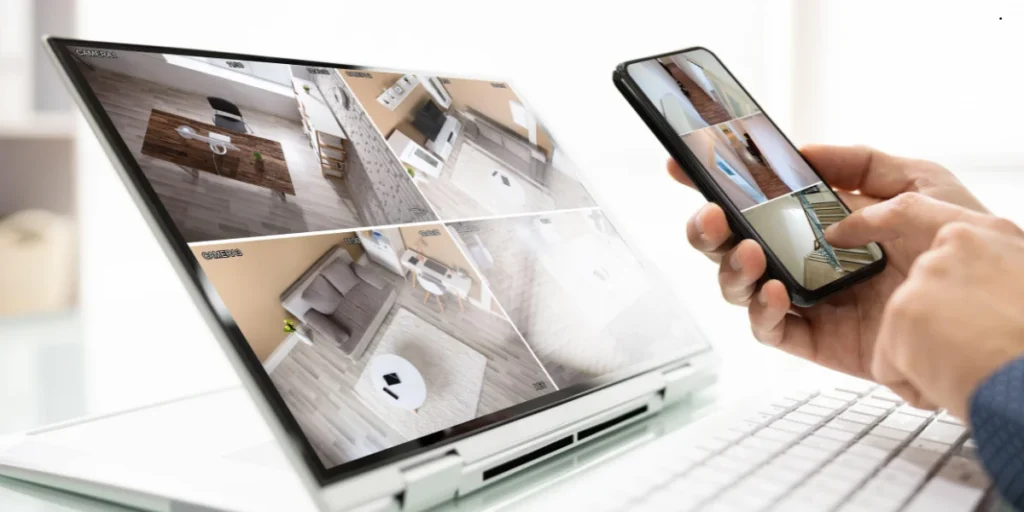
Home security has evolved dramatically, with innovative surveillance technology now offering features once exclusive to professional systems. Modern security devices not only deter potential intruders but also provide valuable peace of mind through remote monitoring capabilities.
Video Doorbells with Motion Alerts
Video doorbells serve as the first line of defence against unwanted visitors and package theft. The Arlo Pro 6, a 2025 release, offers impressive 2K resolution with HDR, colour night vision and a 160-degree field of view. This wide-angle ensures you can see both visitors and any packages left on your doorstep.
Google’s Nest Doorbell provides three hours of free cloud video storage, eliminating the need for a subscription while still retaining event recordings. Moreover, its AI detection capabilities can distinguish between people, animals, and packages, sending specific alerts for each.
Ring’s Battery Doorbell Pro introduces unique features such as radar sensing and Bird’s Eye View mode, which track movement patterns across your property. This advanced functionality helps users understand visitor behaviour patterns beyond simple notifications.
For budget-conscious homeowners, Blink’s video doorbell offers 1080p resolution starting around £76, frequently available at even lower prices during sales.
Indoor and Outdoor Security Cameras
The security camera market has expanded substantially, with options for every need and budget. Indoor cameras like the TP-Link Tapo C210 offer pan and tilt capabilities, two-way audio, and built-in sirens for under £46. These affordable devices provide comprehensive coverage of open floor plans or children’s rooms.
For outdoor surveillance, weather resistance becomes crucial. The Arlo Go 2 offers cellular connectivity for locations beyond Wi-Fi range, whilst the Eufy SoloCam S340 incorporates solar charging to eliminate battery concerns.
Generally, most smart outdoor security cameras now feature embedded Wi-Fi radios and motion sensors that trigger recording and send immediate alerts. Many even include floodlights that automatically illuminate when motion is detected, enhancing both security and usability.
Smart Locks and Access Control
Smart locks have transformed traditional key systems, offering keyless entry through digital codes, smartphone apps, or biometrics. For businesses and multi-user environments, comprehensive access control systems provide centralised management of multiple doors and users.
Access control systems typically use electronic locks, smart readers, and cloud-based software to control who can enter specific areas and when. Indeed, these systems excel in situations requiring role-based permissions and audit trails of entry activities.
Smart locks, primarily designed for residential applications, offer simpler management but fewer advanced features than complete access control systems. Even so, many smart locks now incorporate video capabilities, such as the Eufy FamiLock S3 Max, which combines 2K video doorbell functionality with smart lock features.
DIY vs Professional Security Systems
In 2026, homeowners face a crucial decision: installing security systems themselves or opting for professional services. DIY systems offer significant cost advantages, with basic packages running £458-600 compared to £1,528-1,500 for professional installation.
Professional installation ensures components are properly placed, eliminating potential blind spots or vulnerabilities that DIY users might miss. Installation typically takes 2-4 hours for an average home, and technicians identify security weaknesses that many homeowners would overlook.
The monitoring aspect presents another important consideration. Professional monitoring services can call first responders on your behalf during emergencies. Monthly subscription costs vary from Ring’s service at approximately £15 per month to Nest’s premium option at around £44 per month.
Modern DIY systems from companies like SimpliSafe and Ring have made home security more accessible than ever, with systems operational in under an hour using only a smartphone app and mounting hardware. Subsequently, many families start with basic DIY setups and gradually expand with professional components as security needs evolve.
Climate and Energy Management
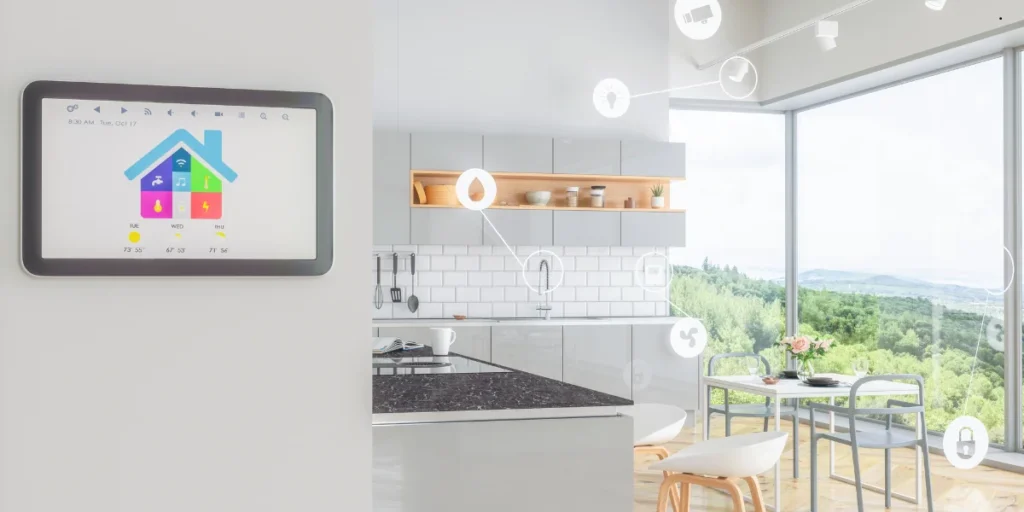
Efficient energy management represents a cornerstone of truly intelligent homes, offering both enhanced comfort and significant cost savings. Modern smart climate-control devices help homeowners reduce utility bills while maintaining optimal living conditions year-round.
Smart Thermostats with Learning Features
Smart thermostats transform traditional heating and cooling systems into intelligent climate-control systems. These devices can trim energy consumption by at least 8% annually, with some manufacturers claiming savings up to 26% for specific households.
The Google Nest Learning Thermostat (4th generation) stands out for its sophisticated AI capabilities. Its algorithms precisely calculate how long it takes to achieve desired temperatures based on factors such as insulation quality, HVAC system type, and local weather conditions. This intelligence enables optimal energy usage without sacrificing comfort. The thermostat receives high marks in automated heating and cooling tests, making it suitable for households seeking hands-off efficiency.
Conversely, the Ecobee Smart Thermostat Premium takes a different approach. Rather than automatically implementing changes, it suggests modifications to heating and cooling schedules, giving users more control over their energy decisions. Its additional features include:
- Radar-based occupancy sensing
- Indoor air quality monitoring
- Built-in voice control (Amazon Alexa or Apple Siri)
- Music streaming capabilities
Both systems utilise “setbacks”—intentionally allowing temperatures to drop overnight in winter or rise in summer—to maximise efficiency. The Department of Energy estimates that implementing a 7-10 degree setback for 8 hours per day can yield up to 10% annual energy savings.
Smart Air Conditioners and Heaters
Smart climate systems extend beyond thermostats to include Wi-Fi-enabled air conditioners and heaters that offer unprecedented control and efficiency. These devices connect to smartphone apps, enabling remote adjustments and monitoring from anywhere.
In addition to basic remote control, smart air conditioners offer features such as scheduling, which prevent unnecessary operation when nobody is home. Many models can utilise your phone’s location services to cool rooms before you arrive, thus avoiding energy waste whilst ensuring comfort upon your return.
Before purchasing, it’s essential to determine the appropriate unit size. Energy Star recommends 20-25 BTUs of cooling power per square foot. For optimal efficiency, increase capacity by 10% in sunny rooms, reduce it by 10% in heavily shaded areas, and add 600 BTUs for each additional regular occupant beyond 2 people.
Advanced climate control systems like LG’s Multi V i incorporate AI capabilities that adapt to changing environmental conditions and user behaviours. The AI Smart Care function gathers real-time temperature and humidity data and applies algorithms to optimise comfort before transitioning to power-saving mode. Furthermore, AI Energy Management analyses operational patterns and predicts future needs, regulating activity to prevent excessive power consumption.
Energy Monitoring with Smart Plugs
Smart plugs equipped with energy monitoring capabilities provide valuable insights into household power consumption. These devices track electricity usage in real time, helping identify which appliances contribute most to utility bills.
The TP-Link Kasa Plug Slim With Energy Monitoring generates comprehensive energy reports showing exactly how much electricity connected devices consume. This data proves particularly valuable for detecting “vampire” devices that draw power even when seemingly off.
Beyond mere monitoring, smart plugs enable active energy management through:
- Remote control to turn devices off when not needed
- Scheduling to ensure appliances run only during necessary periods
- Automation based on other smart home triggers
- Alerts for unusual power consumption patterns
For households seeking to reduce electricity bills, these insights facilitate informed decisions about which devices to unplug or replace. Regular monitoring and adjustment of energy use patterns can lead to substantial savings over time, particularly for high-consumption appliances such as heaters, refrigerators, and entertainment systems.
The combined effect of smart thermostats, climate systems, and energy monitoring creates a comprehensive approach to home energy management that balances comfort with conservation—a central benefit of contemporary smart home technology.
Entertainment and Lifestyle Devices
Entertainment devices complete the smart home experience, bringing convenience and fun alongside the practical elements of automation. Today’s connected gadgets transform ordinary leisure activities into personalised experiences.
Smart TVs and Streaming Assistants
Almost every television now includes built-in streaming capabilities, eliminating the need for separate devices while maintaining compatibility with external sources. The TCL QM8 series tops current recommendations with superb picture quality and Google TV integration. For budget-conscious shoppers, the TCL 4-Series features the intuitive Roku platform, making it ideal for straightforward streaming. Interface quality varies significantly; Roku remains a favourite for its clean, app-centred design that avoids cluttering screens with unwanted recommendations.
Smart Kitchen Appliances
Connected kitchen devices automate cooking processes whilst providing helpful updates. The Tovala Smart Oven supports multiple cooking modes and can scan groceries to set cooking times automatically. For coffee enthusiasts, smart brewers like the xBloom Studio offer precise grinding and pouring capabilities. Virtually every kitchen appliance now has intelligent counterparts—from air fryers with voice control to smart refrigerators that track expiry dates.
Pet Cameras and Treat Dispensers
Modern pet-monitoring devices help owners stay connected to their pets. The Furbo 360° Dog Camera delivers barking notifications and remote treat-tossing. For cats, similar options feature specialised sound effects and dangly feather toys. Most basic functions work without a subscription, whilst premium features like bark alerts typically require a monthly subscription.
Smart Projectors and Outdoor Speakers
Outdoor entertainment systems have evolved considerably. Portable projectors like Anker’s Nebula Mars 3 offer impressive durability and battery life for a garden cinema. For audio, the Sonos Move 2 combines excellent sound quality with IP56 weatherproofing and voice control capabilities. These devices create immersive backyard experiences without complex installation requirements.
Conclusion – Smart Home Devices
Smart home technology has transformed from novelty gadgets into essential components of modern living. Throughout this guide, we’ve examined how these smart home technology devices enhance daily life across multiple dimensions. From centralised hubs that connect diverse ecosystems to sophisticated security systems that protect homes, these technologies deliver tangible benefits beyond mere convenience.
Energy management is a particularly valuable aspect of smart home systems. Smart thermostats, climate systems and energy monitoring tools work together to maintain optimal comfort while reducing utility costs. The best smart home devices balance automation with user control. Most households benefit from starting with fundamental components like voice assistants and smart lighting before gradually expanding their system. Careful consideration of compatibility ensures seamless integration as technology needs evolve.
Smart home devices ultimately deliver what technology should always aim to provide: a simpler, safer, healthier, and more enjoyable life. Whether starting fresh or upgrading existing systems, the devices highlighted throughout this guide represent the cutting edge of what’s possible in 2026.
You May Also Be Interested In: 10 Emerging Technologies That Will Shape Our World in 2025
What is the best smart home system for beginners in 2026?
For beginners seeking an easy-to-use smart home system, options like SmartThings or Apple HomeKit offer user-friendly interfaces and broad device compatibility. These platforms let you control lights, temperature, and security without extensive technical knowledge.
How can I improve my home’s energy efficiency with smart devices?
Smart thermostats, energy monitoring plugs, and automated lighting systems can significantly reduce energy consumption. For instance, smart thermostats can learn your schedule and adjust temperatures accordingly, potentially saving up to 26% on heating and cooling costs annually.
Are smart home security systems better than traditional alarm systems?
Modern smart security systems offer features such as remote monitoring, instant alerts, and integration with other smart devices. They can provide real-time video feeds, detect specific events such as package deliveries, and support keyless entry, offering more flexibility and control than traditional systems.