

Learning how to spot a crypto trading scam is critical in 2026, as Australian investors lost more than $701 million to these schemes last year alone. Spotting a crypto trading scam has become a vital skill as these deceptive schemes keep evolving.
The numbers paint a worrying picture. Cryptocurrency scam losses shot up by 270%. These scams made up just 5.1% of the $3.1 billion lost to all scams in 2022. Scammers keep coming up with new ways to steal money through cryptocurrency. They just need payment in digital currencies instead of regular money.
Cryptocurrency values can change a lot within hours. This makes it easier for scammers to trick people. The old saying rings true – if something looks too good to be true, it probably is. This detailed guide gives you a safety checklist on how to spot a crypto trading scam in 2026. Your digital assets need protection in this increasingly dangerous digital world.
The “Too Good to Be True” Promises (Psychological Triggers)

Scammers know how to exploit simple human psychology to lure victims into cryptocurrency fraud. Their tactics bypass rational thinking and trigger emotional responses that cloud judgment. Learning to recognise these psychological triggers is a vital first step to spotting a crypto trading scam.
The Myth of “Guaranteed” Daily Returns
The biggest crypto trading bot red flags in the cryptocurrency world is the promise of guaranteed returns. Any legitimate financial expert knows that all investments carry risk—especially cryptocurrencies with their notorious volatility.
You’ll find scammers consistently promising high guaranteed returns (typically between 20%-50%) with little or no risk. These unrealistic claims should set off your internal alarm bells. Here’s a simple truth: no legitimate investment can guarantee profits. Trading inherently involves risk, and anyone who says otherwise is likely to be cryptocurrency fraud.
Scammers love to use phrases like:
- “Risk-free investment”
- “Guaranteed profit”
- “Zero risk opportunity”
- “Absolutely safe returns”
Let’s look at a telling example. Some platforms advertise annual percentage yields (APYs) of 35% or higher. Traditional savings accounts typically offer around 2-3%. These impossibly good returns are almost always too good to be true.
Crypto scams also tend to use charts and calculators on their websites. These show rapid investment growth and running tallies of supposed payouts to create an illusion of legitimacy and success. They might demonstrate how AUD 1,500 could yield extraordinary returns, which creates a powerful psychological hook.
Unsolicited Offers via Social Media & WhatsApp
The following warning sign relates to how these “opportunities” find you. Legitimate investment firms rarely reach out through unsolicited social media messages, WhatsApp groups, or dating apps.
Social media is a scammer’s playground for distributing fraudulent schemes. They spend heavily on advertising to rank high in online search results and create fake articles that link to scam operations. Scammers want you to download fake crypto trading apps and visit fraudulent websites where the “investing” takes place.
WhatsApp is a favourite channel for crypto scams. The Australian Securities and Investments Commission (ASIC) warns about crypto scams that use social media ads to direct victims to WhatsApp groups. These groups offer crypto-asset investment opportunities with unrealistic returns. Victims are pushed to subscribe to initial coin offerings (ICOs) or start trading on recommended platform websites.
“Romance baiting” is a growing concern that regulators highlight. Scammers build romantic relationships on dating apps before introducing their “investment opportunities.” This emotional manipulation makes victims particularly vulnerable because trust already exists.
High-Pressure Sales Tactics
The third psychological trigger uses artificial urgency. Scammers use high-pressure tactics to prevent victims from researching or consulting financial advisors properly.
Their playbook includes:
- Creating fake “limited-time” opportunities
- Emphasising that others are making money while you’re missing out
- Offering special bonuses or discounts for immediate investors
- Using manipulative language about regret
The Financial Markets Authority (FMA) reports a concerning trend. Scammers manipulate cryptocurrency wallet balances with specialised software to show fake profits. This visual “proof” often convinces victims to invest more.
Victims who try to withdraw their supposed profits face new obstacles. Scammers reveal hidden “taxes,” “withdrawal fees,” or other expenses. Even after paying these extra fees, no funds are released—it’s just another way to steal more money.
A disturbing development involves requests for remote computer access through AnyDesk or TeamViewer. The craftiest crypto scams go even further. After building trust and receiving initial investments, they switch the account from “live” to “virtual” without telling you. Virtual accounts show fake balances and transactions. You might see your investment “growing”, but can’t withdraw anything because the money isn’t real—it’s just numbers on a screen that scammers control.
Technical Red Flags on the Website
Scammers leave digital footprints beyond psychological manipulation that help you spot a crypto trading bot red flags. You can identify fraudulent websites based on their technical characteristics before losing your money.
Analysing the Domain Age and URL
A website’s domain age tells you a lot about its trustworthiness in cryptocurrency trading platforms. The time since a website’s registration gives you valuable clues about its credibility.
Crypto scams are often built on throwaway domains that they can quickly abandon before building any reputation. Most crypto scams operate on domains registered just days or weeks ago.
To verify a domain’s age:
- Use a domain age checker tool to query the WHOIS database
- Look for domains registered at least several years ago
- Check for any unexplained gaps in domain ownership
- Break down any recent changes to the domain’s topic
You’ll find legitimate financial institutions and established crypto exchanges running on domains that are several years or decades old. A domain registered recently should raise red flags, especially if it offers financial services or cryptocurrency trading.
Even a decade-old domain might seem suspicious if its topic changed suddenly. A domain that was a cooking blog for 8 years and became a cryptocurrency site last year has lost credibility. These dramatic changes often mean someone bought the domain to use its age while hiding questionable activities.
The URL itself needs careful attention. Scammers create addresses that look like legitimate platforms by making slight spelling changes or adding extra characters. Official websites have simple, clear URLs matching their company names, and Australian government websites always end in “.gov.au”.
Lack of Transparency (The “Ghost” Team)
Trust in cryptocurrency markets depends on transparency. Unfortunately, limited disclosure about digital asset products and platforms makes people vulnerable to cryptocurrency fraud and scams. This lack of accurate, investment-useful information has led to outright scams and easily manipulated platforms.
The numbers are staggering—scammers and hackers stole nearly AUD 15.29 billion in just one year. This shows why transparency matters so much for investor safety.
A platform’s team information needs your attention. Real operations showcase their leadership team with verifiable credentials and public profiles. Scam websites show these warning signs:
Studies show token offering materials often mislead about returns, make false guarantees, or list fake management teams. Many disclosures have errors or don’t match the token’s software code.
Real websites provide precise contact details, including a physical address, phone number, and email address. Watch for unusual information—like a contact page showing the main office in an unexpected location.
The cryptocurrency market operates like “a wild west without a sheriff in sight,” unlike traditional finance, which offers consumer protections. This makes transparency crucial before investing your money.
Fake Celebrity Endorsements (Deepfakes)
AI-created deepfakes represent the most concerning technical development in crypto scams. These are lifelike impersonations of real people made by artificial intelligence.
Scammers often use fake celebrity endorsements and well-known businesses to market financial products. Many public figures have had their identities stolen for crypto offerings. Bitcoin Evolution, Bitcoin Revolution, and Bitcoin Trader are fake websites that use false endorsements to pretend to be cryptocurrency trading bots.
Scammers now focus on quick, believable deception rather than perfect technical details. They’ve moved from recorded content to interactive scams that exploit trust in real-time chats.
These deceptive ads and articles lead investors to ‘mirror sites’—fake versions of legitimate news outlets like ABC News. People visit fake crypto-trading websites after seeing what appears to be real celebrity support. These sites often mention margin FX trading or contracts for difference (CFDs).
The “Trap” Phase: Deposit and Withdrawal Warning Signs
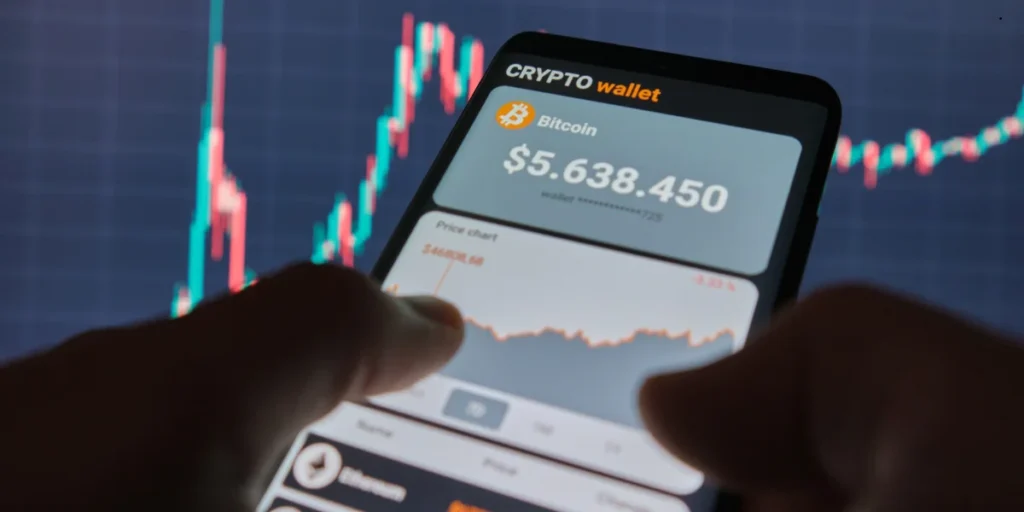
The most dangerous part of crypto scams starts right after you put in your money. Scammers change their game plan from sweet-talking to trapping you once they have your original investment. You need to know these withdrawal tricks on how spot a crypto trading scam before losing everything.
The “Tax” or “Fee” to Withdraw Money
The withdrawal fee scam is among the most common tricks in cryptocurrency fraud. Victims can’t access their money or supposed profits unless they pay extra fees – it’s a classic trap.
Here’s how it plays out: Users trying to withdraw their funds receive messages saying their accounts need “verification” before funds are released. These scammers hide their withdrawal blocks behind official-sounding labels:
- Withdrawal Fee
- Anti-Money Laundering (AML) Charge
- Blockchain Activation Cost
- Gas Fee
- Tax Clearance
- Unlocking Fee
Scammers use legal terms and create fake “compliance officers” or “tax agents” to appear legitimate. The Australian Taxation Office makes it clear that real crypto transactions do not require upfront tax payments. Yet when victims pay the first fee, they still can’t get their money because scammers create new roadblocks:
“Now you must pay a conversion fee.” “Your account is under audit—another security charge is required.” “A second confirmation deposit is needed to finalise your withdrawal.”
This pattern keeps going until victims run out of money or realise they’ve been fooled. Their fake balance stays locked on the platform, just out of reach.
Victims often pay these fake charges because they think they have big profits waiting. It’s calculated mind games – scammers know people who’ve invested will usually pay another 10-30% to get what they think are real returns.
Some cryptocurrency fraud websites don’t even take transfers from real banks. They make victims turn dollars into cryptocurrency on legitimate platforms first, then ask for wallet transfers. This helps them avoid detection and takes advantage of blockchain’s permanent transactions.
Sudden Account Freezes or “Glitches”
Account freezes are another favourite scammer trick. Users suddenly can’t access their accounts due to “security concerns,” “suspicious activity,” or “technical glitches.”
Legitimate cryptocurrency freezes occur for real reasons—following regulations, protecting against unauthorised access, or resolving technical issues. Scammers know this and use it to make their fraud look real.
Scammers sometimes blame “blockchain upgrades” or “network maintenance” for temporary account blocks. These made-up technical issues just buy time while they plan their next move.
After a suspicious freeze, scammers reach out through unofficial channels, claiming urgent action is needed to “secure” the funds. These messages usually come through WhatsApp, email, or phone rather than the platform’s official channels.
Watch out for these red flags:
- Random messages claiming to be from prominent cryptocurrency exchanges about an “account breach”
- Rush to act because of alleged security issues
- Anyone asking for sensitive details like your seed phrase or account balance
- Strange requests to move money to different accounts to “keep it safe”
A worrying twist involves what scammers call “glitch money.” They exploit real technical problems in financial systems or commit fraud, then quickly move the stolen money through cryptocurrency before anyone notices.
Push for “Remote Access” (AnyDesk/TeamViewer)
The scariest withdrawal-phase trick is when scammers ask to take control of your device remotely. They say it’s to “help” with trading or fix withdrawal problems, but really want direct access to your financial accounts.
This usually comes up in the crypto scams final stages after building trust. The request matches up with withdrawal attempts, and scammers claim they need remote access to:
- Complete necessary verification steps
- Configure specialised withdrawal settings
- Install “required” trading software
- Override alleged security blocks
These crypto scams often involve complex investment ideas like cryptocurrency or forex trading. Scammers take advantage of people who don’t know much about technology and make up stories about why they need remote access.
Keep your personal information private, especially financial details. A basic rule of cybersecurity is never to grant access to anyone who contacts you first. Real investment platforms, government organisations, and banks never ask for remote device access for investments.
Pressure tactics play a big role here. Scammers create a sense of urgency to make victims think things through. Be suspicious of phrases like “no-risk,” “guaranteed returns,” and “once-in-a-lifetime opportunity”.
Stay safe from these withdrawal phase scams:
- Don’t pay extra fees to get your own money—real platforms take fees directly from withdrawals
- Check messages through official channels—contact providers using their website details, not message links
- Never allow remote access, no matter what reason they give
- Don’t move cryptocurrency to strange platforms or unknown wallets
- Look into investments carefully—check if they follow regulations and have proper licences
Note that many victims finally see the scam during the withdrawal phase. Learning these warning signs will help you in spotting a crypto trading scam before losing your money.
How to Verify a Legitimate Trading Bot (The Solution)

After spotting a crypto trading scam, you must understand verification methods. Investment losses have hit record highs, so learning proper verification techniques is just as vital as spotting warning signs.
Checking for Regulatory Compliance & Licences
Regulatory compliance is the lifeblood of legitimate cryptocurrency trading operations. The regulatory landscape for AI cryptocurrency trading bots looks different across countries. Some nations have comprehensive frameworks, while others have imposed restrictions or bans. This makes it hard for traders to find legitimate platforms.
You should verify company registration and performance records before trusting any trading bot with your money. Look for independent audits that confirm the bot works reliably. Legitimate platforms comply with regulations across multiple jurisdictions and display their licensing information openly.
Most countries require crypto-related businesses to register or get specific licenses. This includes developers and operators of trading bots. Breaking these rules can lead to serious legal trouble, which underscores the importance of full verification.
Strong Anti-Money Laundering (AML) and Know Your Customer (KYC) measures show platform legitimacy. Trustworthy platforms use these steps to stop money laundering and fraud. You should avoid any service that lets you skip standard identity checks, as this often points to illegal activity.
The “Small Deposit” Test Strategy
Making a small, original deposit and testing withdrawals are among the best ways to verify a platform. This gives you a real-life test of the trading service’s legitimacy.
Here’s how the small deposit test works:
- Deposit a minimal amount you’re okay losing (think of it as a “test fee”)
- Make small profits through a few trades
- Try to withdraw both your deposit and profits
- Check that funds show up in your external wallet without surprise fees or delays
This test shows withdrawal problems before you put in big money. Good trading platforms let you make small deposits and have simple withdrawal processes without hidden fees or extra verification steps.
The platform’s minimum deposit requirements need to be checked too. Many good cryptocurrency exchanges let you start with small amounts. This helps traders test services before putting in more money.
Watch out for pressure tactics that push you to skip testing. Scammers often use time-limited deals to pressure investors into making quick decisions. Without a doubt, any legitimate service gives you enough time to verify and test before making significant investments.
Relying on Verified Third-Party Reviews
Third-party reviews add another vital layer of protection. This helps make up for limited oversight in cryptocurrency markets, often called “a wild west without a sheriff in sight”.
Despite that, be careful when reading reviews—scammers create fake testimonials to appear successful. It’s suspicious when all reviews look perfect with no suggestions for improvement.
When checking reviews:
- Get assessments from established cryptocurrency security firms
- Use multiple independent review sites instead of platform testimonials
- Find detailed stories about actual trading experiences
- Focus on withdrawal experiences
- Look at the reviewer’s background and credibility
Good platforms usually have mixed reviews since no service makes everyone happy. They respond well to negative feedback instead of removing or ignoring it.
Conclusion – How to Spot a Crypto Trading Scam
Crypto trading scams have become much more sophisticated as technology advances. This piece highlights key warning signs that every potential investor should know. The biggest crypto trading bot red flags remains unrealistic promises of guaranteed returns. No legitimate investment can promise risk-free profits, especially in volatile cryptocurrency markets.
Technical warning signs are vital when evaluating trading platforms. You should be cautious of newly registered domains, ghost teams with unverifiable credentials, and deepfake celebrity endorsements. Scammers use these tricks to create a fake front that pulls in unsuspecting investors.
The risk peaks after you deposit your funds. Classic trap signs include sudden account freezes, requests for remote access, and surprise withdrawal fees. You should test small deposits before putting in larger amounts to protect yourself from losses.
Your best defence against cryptocurrency scams starts with proper verification. Check regulatory compliance, test withdrawal features, and look up independent reviews to reduce your risk of fraud. The digital world might look dangerous, but this knowledge helps you stay safe.
Note that ordinary crypto scams count on rushing you and playing with your emotions to stop you from thinking clearly. Do your research, take your time, and trust your gut when things look fishy. Your digital assets need constant watchfulness, learning, and healthy scepticism in this fast-changing financial frontier.
How can I identify a potential cryptocurrency scam?
Look for red flags such as promises of guaranteed returns, unsolicited offers, pressure to invest quickly, requests for sensitive information, unexpected fees, and lack of verifiable team information. Always research thoroughly and be wary of anything that seems too good to be true.
What should I do if I suspect I’ve been scammed with crypto?
Report the incident immediately to relevant authorities, such as the Financial Conduct Authority and the Internet Crime Complaint Centre. Change your passwords and PINs if you believe your security has been compromised. Be aware that recovering lost cryptocurrency can be extremely difficult.
Why are cryptocurrencies particularly attractive to scammers?
Cryptocurrencies appeal to scammers due to their speed, global reach, and the difficulty of recovering stolen funds. The irreversible nature of blockchain transactions and limited legal protections in many jurisdictions make it an ideal medium for fraudsters.
How can I protect my cryptocurrency investments?
Keep your wallet keys private and never share them. Consider using a hardware wallet for enhanced security. Withdraw your cryptocurrency from exchanges when not actively trading. Stay informed about the latest scam techniques and always verify the legitimacy of any platform before investing.