In 2024 alone, over $473 million worth of crypto has been lost to rug pulls and hacks, with over a hundred incidents occurring each month. Understanding how to spot a rug pull has never been more critical for crypto investors looking to protect their assets.
A rug pull scam is where developers suddenly withdraw all funds from a project, leaving investors with worthless tokens. Particularly in the decentralised finance space, these exit scams have become alarmingly common. Learning how to identify a rug pull requires recognising key warning signs, conducting proper rug pull checks, and using the right verification tools.
This guide walks readers through everything they need to know about spotting and avoiding rug pull scams before they lose their investment.
What Is a Rug Pull? Understanding the Basics
Rug Pull Meaning in Crypto
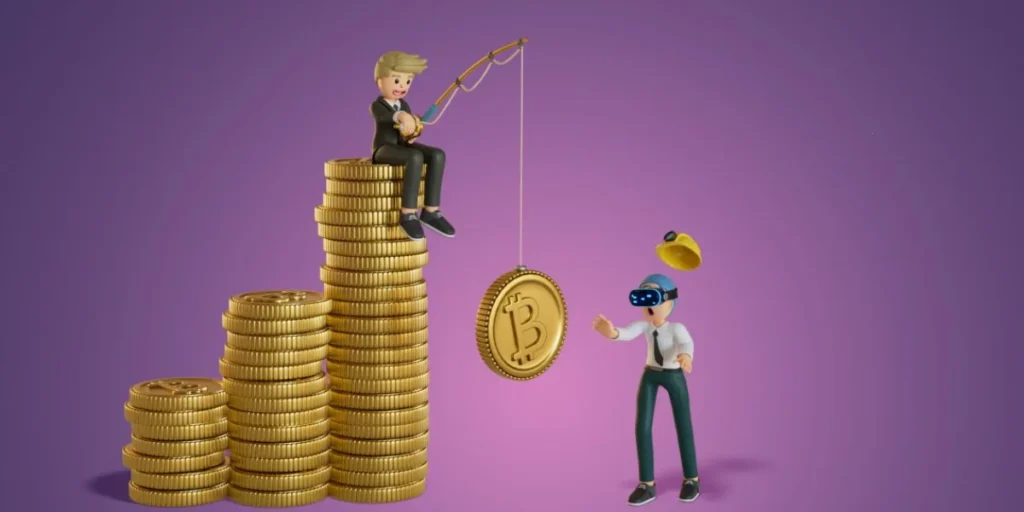
The term ‘rug pull’ originates from the phrase ‘pulling the rug out from under someone’, representing a sudden withdrawal of support that leaves someone in difficulty. In cryptocurrency, a rug pull occurs when developers create a new token, convince users to invest, then liquidate their holdings abruptly or abandon the project entirely.
The scale of this fraud has reached staggering proportions. Fraudsters created over 212,000 scam tokens between September 2020 and January 2022. In fact, more than 300,000 scam tokens have been created, defrauding 2 million investors. This exceeds the number of investors harmed by the collapses of FTX, Celsius, and Voyager combined. Cryptocurrency investors lost almost $3 billion in 2021 alone to rug pull schemes.
How Rug Pull Scams Work
Crypto scammers execute rug pulls through two primary methods: programming their token to steal from investors, or promoting their token fraudulently.
DeFi scams involve malicious coding within a token’s smart contract. Scammers modify the contract to make selling impossible, allow unlimited token minting, or charge exorbitant trading fees. The Dictionary scammer exemplifies this approach, having deployed over 9,000 scam tokens across Ethereum, BNB Chain, and Polygon. Each token contained two exploits: a honeypot and a hidden mint.
Exit scams rely on aggressive promotion rather than technical manipulation. Developers create regular tokens without programmatic exploits, then fraudulently promote them through misleading marketing websites, fake partnership announcements, wash trading to inflate prices, and bot-driven social media campaigns. Once sufficient funds accumulate, they disappear with investor money. The rug pull scams that extract the most funds combine both malicious programming and aggressive promotion.
Related Article: How to Spot a Crypto Trading Scam: A Complete Guide for Beginners
Why Rug Pulls Are So Common
Decentralised exchanges enable rug pulls by allowing anyone to list tokens freely without audits, unlike centralised exchanges. Creating tokens on open-source blockchain protocols like Ethereum requires no cost or verification.
The numbers reveal the severity: 8% of all Ethereum-based ERC-20 tokens are designed to pull the rug, and 12% of all Binance Smart Chain-based BEP-20 tokens are rug pulls. This high percentage reflects how easily bad actors exploit the combination of free token creation, unregulated listing platforms, and minimal oversight to execute these scams.
Common Types of Rug Pulls
Scammers employ several distinct methods to execute rug pulls, each exploiting different vulnerabilities within crypto projects. Recognising these patterns helps investors identify potential scams before committing funds.
Liquidity Theft
Liquidity theft represents the most prevalent form of rug pull, particularly on decentralised exchanges. Developers create a new token and pair it with an established cryptocurrency like Ethereum or BNB in a liquidity pool. After promoting the token heavily to attract investment, they withdraw all the paired cryptocurrency from the pool. The token instantly becomes worthless, and investors cannot recover their funds. The AnubisDAO scam demonstrated this technique at scale, with perpetrators disappearing with nearly $60 million.
Dumping Schemes
Dumping schemes, also known as pump-and-dump operations, occur when creators withhold a large portion of the token’s circulating supply. Through aggressive marketing campaigns and social media hype, they artificially inflate the token’s price. Once the price peaks, developers sell off their massive holdings all at once. This sudden sell-off floods the market, causing the price to crash and leaving investors with worthless assets. The LIBRA token incident in February 2025 exemplified this approach, where insiders controlled an estimated 82% of the token supply and cashed out over $107 million, causing a 95% price crash within hours.
Limiting Sell Orders
This technical variant involves malicious code embedded within the token’s smart contract. Developers programme the contract to restrict selling functionality, with only their wallet address authorised to sell. The Squid Game token scam notably employed this method. Investors can purchase the token freely, but when they attempt to sell, the transaction fails. After the token price surges, developers dump their holdings whilst all other holders remain locked out, their tokens rendered worthless.
Developer Abandonment
Developer exit scams involve the project team disappearing after raising funds. This often occurs following initial coin offerings, token presales, or NFT mints. Developers promote the project extensively, collect investments, then delete social media accounts and shut down websites. The project ceases all development and communication, leaving investors with no recourse.
How to Spot a Rug Pull: Red Flags and Warning Signs
Detecting potential rug pulls requires examining specific technical and operational characteristics that distinguish fraudulent projects from legitimate ones. Several warning signs consistently appear across scam operations.
Anonymous or Unverified Development Team
Legitimate crypto projects feature publicly identified teams with verifiable experience. Anonymous teams face no accountability if the project collapses or turns fraudulent. Investors should research team members on LinkedIn, Twitter and GitHub to confirm track records and involvement in prior credible projects. Anonymous or pseudonymous developers represent a major warning sign. Whilst Bitcoin’s creator Satoshi Nakamoto remained anonymous, current standards demand transparency.
Unlocked Liquidity Pools
Developers should lock liquidity for a set period using time-lock contracts to prevent fund drainage. Unlocked liquidity allows developers full control over the liquidity pool, enabling easy fund withdrawal. Liquidity should be secured through time-locked smart contracts lasting three to five years from the token’s initial offering. The total value locked should reach between 80% and 100% of the liquidity pool.
Unaudited Smart Contracts
Smart contract audits by reputable firms identify vulnerabilities or hidden backdoors. The absence of a publicly available audit report suggests the team either lacks security commitment or actively hides malicious code. An unaudited or poorly written smart contract can contain vulnerabilities allowing developers to manipulate the project.
Suspicious Token Distribution
If insiders or developers hold 50% or more of total token supply, they can dump tokens and crash the market. A small number of holders makes tokens susceptible to price manipulation. Top ten wallets holding more than 20% of total supply warrants extreme caution.
Unrealistic Promises and Aggressive Marketing
Projects guaranteeing high returns or promising rapid profits signal fraud. The cryptocurrency market remains inherently volatile, preventing any legitimate project from guaranteeing profits. High-pressure tactics rush investors into impulsive decisions without proper research.
Lack of Community Engagement
Strong, active, engaged communities indicate healthy projects. Projects with 100,000 followers but minimal engagement appear suspicious. Community channels systematically deleting critical questions or negative comments indicate censorship and flaw concealment.
Essential Tools and Methods for Rug Pull Check
Verification tools complement the warning signs outlined earlier, providing concrete methods to assess project legitimacy before investment.
Using Blockchain Explorers to Verify Contracts
Blockchain explorers function as search engines for blockchain data, allowing users to search, view and track transactions, blocks, addresses and smart contracts. Etherscan serves Ethereum networks whilst BscScan covers Binance Smart Chain. Entering a project’s contract address reveals contract creation date, total token supply, token distribution across wallets and complete wallet transaction history. Verified contracts display a green checkmark and publish their source code publicly for audit.
Liquidity Lock Verification Services
Platforms like Team Finance, UNCX and PinkLock maintain public dashboards showing which projects have locked liquidity, the locked amount and duration. Investors should verify that 80-100% of LP tokens are locked and check unlock dates directly on these locker platforms. DexScreener and DexTools display padlock icons next to pools with burned or locked LP tokens.
Token Analysis Platforms
AI-powered platforms offer predictive analysis. GetBlock’s Rug Pull Check API achieves 68% accuracy by analysing creator history and LP trust scores across 336,000 smart contracts. Automated scanners including Token Sniffer, RugCheck.xyz and GoPlus Security instantly flag honeypot functions and concentrated token holdings. CertiK’s Security Leaderboard aggregates audit data and ongoing monitoring metrics.
Community Research and Due Diligence
Discord and Telegram channels provide transparency indicators. Responsive teams answering questions signal genuine projects, whilst unresponsive teams or deleted critical comments suggest concealment.
Conclusion – How to Spot a Rug Pull
Protecting crypto investments from rug pull scams requires vigilance and proper verification. Investors now have the knowledge to recognise warning signs, from anonymous teams to unlocked liquidity pools. Additionally, the right tools exist to conduct thorough rug pull checks before committing funds.
The key to avoiding these rug pull scams is consistency in research and refusing to skip due diligence, regardless of hype. By following these principles and maintaining scepticism towards unrealistic promises, investors can significantly reduce their exposure to fraudulent projects and safeguard their assets.
You May Also Be Interested In How to Use This Crypto Security Guide to Prevent Hacks, Scams and Wallet Drainers in 2026
What exactly is a rug pull in cryptocurrency?
A rug pull scam is where developers create a new cryptocurrency token, attract investors through marketing and hype, then suddenly withdraw all the funds from the project’s liquidity pool or abandon it entirely. This leaves investors holding worthless tokens with no way to sell them or recover their money.
What are the most common warning signs that a crypto project might be a rug pull?
Key red flags include an anonymous or unverified development team, unlocked liquidity pools that allow developers to withdraw funds at any time, no smart contract audit from reputable firms, suspicious token distribution where a small number of wallets hold most of the supply, unrealistic profit promises, and aggressive marketing tactics that pressure quick investment decisions.
How can I verify if a project’s liquidity is locked?
You can use liquidity lock verification platforms such as Team Finance, UNCX, and PinkLock, which maintain public dashboards showing which projects have locked their liquidity, how much is locked, and for how long. Additionally, tools like DexScreener and DexTools display padlock icons next to pools with locked or burned liquidity provider tokens.
Are rug pulls illegal?
Whilst rug pulls are fraudulent and unethical, their legal status varies by jurisdiction. Many involve techniques that constitute fraud, market manipulation, or theft. However, the decentralised and often anonymous nature of cryptocurrency makes enforcement challenging, and regulatory frameworks are still developing in many countries.
Can I test if a token is a rug pull before investing significant amounts?
Yes, one practical method is to purchase a very small amount of the token first and immediately attempt to sell it. If you’re unable to sell, this indicates the smart contract may contain malicious code restricting sell orders—a clear sign of a potential rug pull. Additionally, use blockchain explorers and token analysis platforms to examine the contract code and token distribution before investing.