Most crypto traders avoid sideways markets, viewing them as dull and unprofitable. In reality, grid trading thrives precisely when prices oscillate within a range rather than trending sharply up or down. Grid trading strategy works by placing a ladder of buy and sell orders across a defined price range. Every time the price moves between these levels, the system completes a buy-sell cycle and locks in a small profit. Especially in volatile sideways markets, these small gains accumulate quickly.
Grid trading bots automate this entire process, executing trades without emotional bias whilst traders focus on other activities. In fact, this conservative approach enables traders to profit from market volatility without predicting price direction. This guide walks traders through selecting the right grid trading bot, setting up their first automated strategy, and managing risks effectively.
What Is Grid Trading and How Does It Work
Understanding Grid Trading Strategy
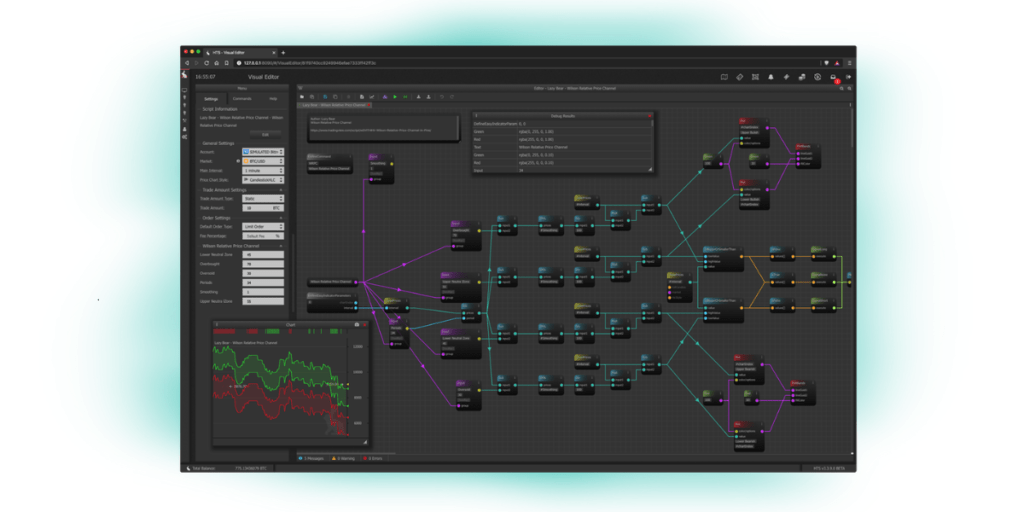
Grid trading is a quantitative strategy that places automated buy and sell orders at preset price intervals, forming a grid-like structure across a defined price range. The bot purchases assets when the price drops to a grid level and sells when the price rises, systematically executing trades around price oscillations without requiring directional market predictions.
The strategy divides a selected price range into equal intervals known as grid levels. Traders set upper and lower bounds, then choose how many grid levels to create between them. Each grid level functions as a trigger point where the bot automatically places orders. When a buy order fills at one level, the bot immediately places a corresponding sell order at the next grid level above. This cycle repeats continuously as the price moves through the grid.
The spacing between grid levels determines trade frequency and profit potential. Tighter spacing with more grid levels produces frequent trades that capture smaller price movements, whilst wider spacing reduces trade frequency but targets larger moves. The strategy fundamentally assumes mean reversion, expecting price to oscillate around an average rather than trend strongly in one direction.
How Grid Trading Bots Execute Trades
Grid bots automate the entire execution process based on predefined rules. Once configured, the bot monitors market prices continuously and processes transactions when the price reaches specific grid levels. The automation eliminates emotional decision-making and enables 24/7 operation without constant human monitoring.
When the price dips below a certain grid level, the bot places a purchase order. As the price rises to the next level, the bot sells the position, locking in the profits from that cycle. Each completed buy-sell cycle generates a small gain, and these profits compound over time through repeated transactions.
When Sideways Markets Create Profit Opportunities
Grid trading performs optimally in sideways or ranging markets where price oscillates within a predictable band without sustained directional trends. These conditions typically emerge during consolidation periods following major price moves, or when assets exhibit moderate volatility without clear trend formation.
The strategy struggles during strong trending markets where price breaks beyond the grid’s upper or lower boundaries. Major news events that trigger volatility spikes also create unfavourable conditions, as do illiquid trading pairs with wide spreads. Success requires identifying the right market environment and setting appropriate grid parameters aligned with current volatility levels.
Choosing the Right Grid Trading Bot for Crypto
Popular Grid Bot Platforms
Several platforms offer grid trading bot functionality with varying capabilities and pricing structures. Bitsgap serves over 800,000 traders and supports 16+ exchanges from a single interface, providing both spot and futures grid bots with trailing features. The platform allows backtesting against up to 365 days of historical data before live deployment.
Gainium operates across 8 major exchanges including Binance, Bybit, OKX, Bitget, KuCoin, Coinbase, Kraken, and Hyperliquid. Pionex distinguishes itself by offering 16 free built-in trading bots directly within its exchange. 3Commas provides AI-enhanced grid bots with automated position adjustments to minimise risk, whilst Cryptohopper features a strategy marketplace for signal-based trading.
Key Features to Look For
Security remains paramount when selecting a grid bot platform. Reliable platforms operate with API keys that have read and trade permissions only, without withdrawal access. Two-factor authentication adds an essential security layer for both the bot platform and connected exchanges.
Risk management tools prove critical for protecting capital. Stop-loss orders automatically terminate bots when prices breach defined thresholds, whilst take-profit settings secure gains at target levels. Trailing features allow grids to follow price movements in both directions, extending bot longevity during volatile conditions.
Exchange compatibility determines available trading pairs and liquidity access. Platforms supporting multiple exchanges through unified APIs enable diversified strategies across different markets simultaneously.
Demo Mode and Backtesting Options
Backtesting reveals potential strategy flaws before risking real capital. The process tests grid configurations against historical price data, quantifying expected performance across different market conditions. Paper trading complements backtesting by simulating strategies in real-time without financial exposure, allowing traders to observe bot behaviour before deploying actual funds.
How to Set Up Your First Grid Trading Bot
Setting up a grid bot takes less than five minutes when following a systematic approach. The process transforms theoretical strategy into automated execution through six sequential steps.
Step 1: Connect Your Exchange Account
Traders connect their exchange account through API key integration. The API requires read and trade permissions only, without withdrawal access, maintaining security whilst enabling automated order placement. Platforms like Bitsgap support connections to 16+ exchanges through unified interfaces, allowing multi-exchange strategies from a single dashboard.
Step 2: Select Your Trading Pair
High-liquidity pairs like BTC/USDT or ETH/USDT provide optimal conditions for grid strategies. These pairs offer consistent price movements and tight spreads, reducing slippage costs. 3Commas filters pairs using 120-day backtest results, TradingView signals, RSI indicators, and market capitalisation rankings to identify suitable candidates.
Step 3: Define Your Price Range
Price range determines where the bot operates. Traders use charts to identify recent support and resistance levels, setting lower and upper boundaries accordingly. The range should reflect actual market behaviour rather than attractive potential returns. Setting boundaries too close to the current price increases premature exit risk, whilst excessive width dilutes profit potential.
Step 4: Configure Grid Levels and Investment
Grid quantity determines trade frequency. Five to fifteen grids provide a balanced starting range. Too few grids miss trading opportunities, whilst excessive grids reduce per-cycle profit after fees. Investment amount controls capital exposure across all grid levels. Starting small allows traders to observe bot behaviour before scaling position sizes.
Step 5: Set Stop-Loss and Take-Profit
Stop-loss protection is mandatory for risk management. The setting automatically terminates the bot when price breaches defined thresholds, limiting downside exposure. Take-profit levels secure gains at predetermined targets, useful for planned exits rather than indefinite operation.
Step 6: Launch and Monitor Your Bot
Backtesting against historical data reveals potential flaws before live deployment. Demo mode allows observation of real-time bot behaviour without financial risk. Once comfortable with strategy performance, traders activate live trading whilst maintaining regular monitoring of filled orders and overall position.
Read Our Master Guide On: Fintech Explained: How Technology Is Reshaping Money, Banking, and Payments
Managing Risks and Optimising Performance

Automated execution eliminates emotional trading decisions, yet grid bots demand vigilant oversight to prevent capital erosion during adverse market conditions.
Recognising When Markets Break Your Range
Strong directional trends pose the greatest threat to grid trading strategy. When price breaks below the defined range, bots hold depreciating assets at unrealised losses. Conversely, upward breakouts trigger premature exits, leaving profits on the table whilst capital remains locked in closed positions. Trends can destroy entire trading accounts if grid strategies operate during sustained bullish or bearish movements. Traders must monitor whether price maintains range-bound behaviour or begins trending outside grid boundaries.
Using Stop-Loss Protection Effectively
Stop-loss features terminate bots automatically when price breaches predetermined thresholds, protecting capital from compounding losses. Conservative placement sits 10-15% below the lower grid range in bearish conditions. The mechanism cancels all open orders and exits positions via market orders, moving the bot to history. Stop-loss executes at the best available market price, which may differ slightly from trigger levels during volatile conditions.
Adjusting Settings Based on Market Volatility
Performance monitoring reveals misalignment between grid configuration and current market behaviour. Fill frequency indicates whether trades execute often enough to justify capital allocation. Low activity suggests price moved outside the range or grid spacing mismatches volatility. Capital utilisation shows whether funds rotate through buy-sell cycles or sit idle in unfilled orders.
Common Mistakes to Avoid
Configuration errors undermine profitability more than automation failures. Setting ranges too narrow causes rapid exits, whilst excessive width spreads capital thinly and reduces trading frequency. Spacing that’s overly tight fails to cover exchange fees. Ignoring trend direction during setup, using excessive leverage, and neglecting regular performance reviews all accelerate losses.
Conclusion – Grid Trading
Grid trading bots offer traders a practical method to profit from sideways crypto markets through automated execution. The strategy removes emotional decision-making whilst capturing gains from price oscillations that most traders overlook.
Success requires selecting a reliable platform, configuring appropriate grid parameters, and implementing robust risk management. Above all, regular monitoring ensures the bot adapts to changing market conditions rather than operating blindly during unfavourable trends. Start small, test thoroughly, and gradually scale positions as confidence builds. The profits accumulate through consistency, not speculation.
Does grid trading work effectively in sideways crypto markets?
Yes, grid trading performs optimally in sideways markets where prices oscillate within a defined range. The strategy thrives on back-and-forth price movements rather than strong directional trends, making it particularly suited for range-bound and volatile but non-directional market conditions.
Can grid trading bots generate consistent profits?
Grid trading bots can be profitable when used correctly with proper risk management. They work by capturing small gains from repeated buy-sell cycles as prices fluctuate. However, profitability depends on selecting appropriate market conditions, setting correct parameters, and implementing stop-loss protection to avoid losses during trending markets.
What are the main risks of using grid trading bots?
The primary risk occurs when markets break out of the defined price range. Downward breakouts leave traders holding depreciating assets at unrealised losses, whilst upward breakouts trigger premature exits. Strong trending markets can cause significant losses if proper stop-loss protection isn’t implemented.
How long does it take to set up a grid trading bot?
Setting up a grid trading bot typically takes less than five minutes. The process involves connecting your exchange account via API, selecting a trading pair, defining your price range, configuring grid levels and investment amount, setting stop-loss and take-profit parameters, and launching the bot after backtesting.