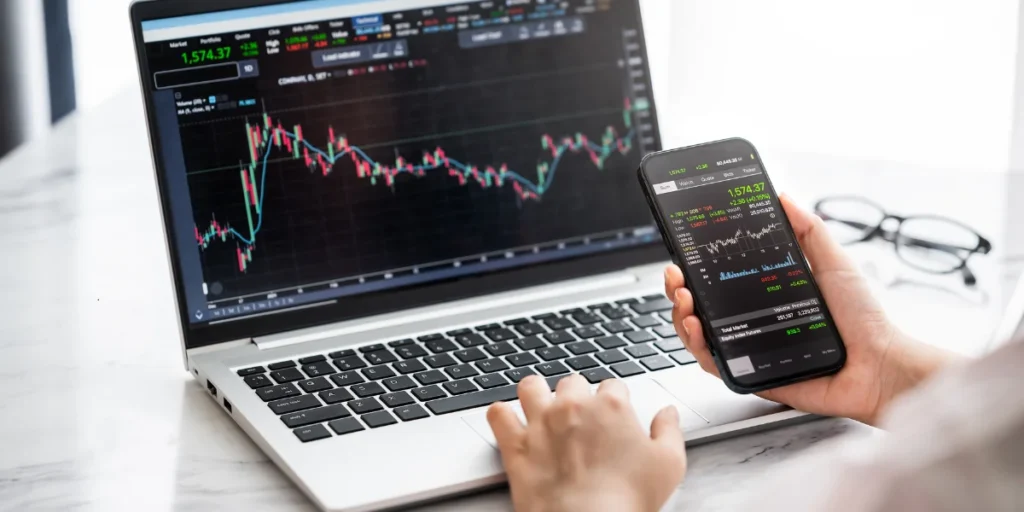
Meme coin market participants trade billions of dollars worth of digital assets daily, yet many Australians remain unsure about how to buy meme coins in Australia. These cryptocurrencies, which arise from internet trends, have seen remarkable growth. For example, Pepe Coin surpassed its first billion within three weeks of its launch, whilst dogwifhat surged 153,196% in price.
But here’s the reality: meme coin trading requires understanding both the opportunities and risks involved. Prices are highly volatile, with strong swings in both directions within a few hours. This guide walks beginners through each step of purchasing meme coins in Australia, from setting up accounts to storing assets safely.
What is a Meme Coin?
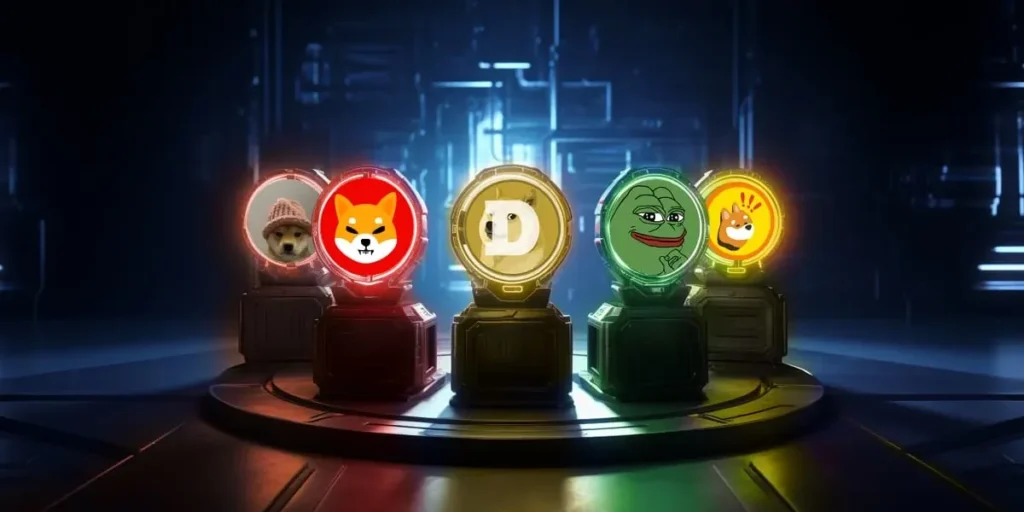
A meme coin is a cryptocurrency that originated from an internet meme or possesses some humorous characteristic. The term emerged to describe digital currencies inspired by internet culture, viral trends, or satirical jokes rather than specific technical purposes. These tokens derive their price primarily from social media momentum and celebrity association rather than underlying utility or technological innovation.
Definition and Origins
In late 2013, Dogecoin was released after being created as a joke on the Doge meme by software engineers Billy Markus and Jackson Palmer. This sparked the creation of more meme coins, establishing an entirely new category within the cryptocurrency market of the meme coin market. The project featured a Shiba Inu dog from a popular internet meme as its mascot and quickly gained widespread popularity, much to the surprise of its founders.
The phenomenon expanded considerably over subsequent years. By October 2021, 124 meme coins were circulating. As of current data, more than 4,800 meme coin types are traded on the global market, though many smaller tokens remain untracked by market capitalisation monitoring platforms. The market capitalisation of registered meme coins nears AUD 137.61 billion.
Base and Solana emerged as the most widely used blockchains for launching meme coins in 2025, with Base now challenging Solana’s dominance. A key engine of this proliferation has been Pump.fun, which at its peak enabled the creation of millions of tokens in a single year. Daily trading volumes for meme coins often exceeded AUD 7.64 billion in 2025.
Popular Meme Coin Examples
Dogecoin remains the largest meme coin with a market capitalisation of AUD 63.61 billion, representing almost half of the global meme coin market capitalisation. The coin increased in popularity in 2021 and 2022 when Elon Musk endorsed it, posting several tweets including that Tesla-branded merchandise could be purchased with Dogecoin.
Shiba Inu ranks second with a market capitalisation of almost AUD 12.23 billion. Created in August 2020 by an anonymous developer known as Ryoshi, this token was designed to replicate Dogecoin’s success. The project built an ecosystem including ShibaSwap, a decentralised exchange, along with two additional tokens: BONE and LEASH.
Pepe currently occupies third place with a market cap of around AUD 7.19 billion. Inspired by the popular Pepe the Frog meme, this token reignited enthusiasm for meme coins in 2023.
Meme coins have witnessed a rebirth following Donald Trump’s victory in the 2024 US presidential election. Consider Fartcoin, whose worth recently exceeded AUD 3.06 billion. Trump established the meme coin $Trump three days before his second inauguration.
Key Characteristics of Meme Coins
Meme coins are community-driven, with communities having a major influence on marketing, development, and the value of the coin itself. Media coverage, influencers, and community sentiment play decisive roles in price movements. This growth is typically unsustainable, as the price depends heavily on a continuous influx of new buyers.
In contrast to utility-focused cryptocurrencies like Ethereum, most meme coins are generated with no use case other than being transferable and convertible. First becoming available via decentralised exchanges, some popular ones are also listed on centralised platforms. However, only a small fraction ever gain liquidity or long-term viability, with most fading quickly after launch without attracting active trading volume or community support.
Prerequisites: What You Need Before Buying
Before purchasing meme coins in Australia, several foundational elements must be in place. These requirements span technical setup, regulatory compliance, and identity verification.
Setting Up a Cryptocurrency Wallet
A crypto wallet stores the cryptographic keys needed to manage digital assets. The public key functions like a bank account number for receiving funds, whilst the private key authorises transactions and provides access to assets.
Three main wallet types exist. Hosted wallets, provided by platforms like Coinbase, store crypto through a third party similar to how banks hold money. The platform manages security, and forgotten passwords don’t result in lost crypto. However, access to advanced crypto features remains limited.
Self-custody wallets place users in complete control. These wallets don’t rely on a custodian to keep crypto safe, but users bear full responsibility for safeguarding passwords or seed phrases. Lost private keys indicate permanent loss of access. These wallets enable activities like yield farming, staking, lending, and borrowing.
Hardware wallets are physical devices about the size of a thumb drive that store private keys offline. Popular brands include Ledger and Trezor. They provide security even if a computer is compromised, though they cost upwards of AUD 152.90. The added complexity makes them less convenient than software wallets.
Choosing a Crypto Exchange in Australia
Exchanges headquartered in Australia must register with AUSTRAC and comply with Anti-money Laundering and Counter-terrorism Financing reporting obligations. These platforms typically support Australian dollars and local payment methods. Customer support operates locally, and exchanges remain subject to Australian laws.
The verification process requires personal details and proof of ID, eliminating anonymous trading. Australian exchanges sometimes charge higher AUD-to-crypto prices compared to USD-to-crypto rates. Certain features like margin trading, DeFi products, and some altcoins aren’t available on AUSTRAC-registered exchanges. Global platforms may offer better liquidity and more features but operate outside Australian regulatory oversight.
Understanding Australian Regulations
ASIC leads financial services law enforcement, covering licensing, markets, and product disclosure. The agency considers stablecoins, wrapped tokens, tokenised securities, and digital asset wallets to be financial products requiring providers to obtain a financial services licence. ASIC granted a sector-wide no-action position until 30 June 2026.
AUSTRAC supervises AML and CTF requirements. Exchanges must register as Digital Currency Exchange providers and meet KYC, monitoring, and reporting duties. These platforms report certain transactions and suspicious activity whilst participating in data-sharing programmes with the ATO.
Verifying Your Identity (KYC Requirements)
KYC procedures assess customer risk and comply with AML laws. Crypto exchanges use these steps during onboarding to verify customer identity and perform due diligence.
The verification process requires a legal name, birthdate, address, and national ID number. Most platforms need government-issued identification such as a passport or driver’s licence. Additional requirements may include proof of address through utility bills or bank statements, selfie verification, and sometimes video recordings.
Automatic verification typically completes within five minutes. Manual verification takes 24-72 hours. Exchanges may pause business relationships or refuse account opening if clients fail minimum KYC requirements.
Step-by-Step: How to Buy Meme Coins in Australia
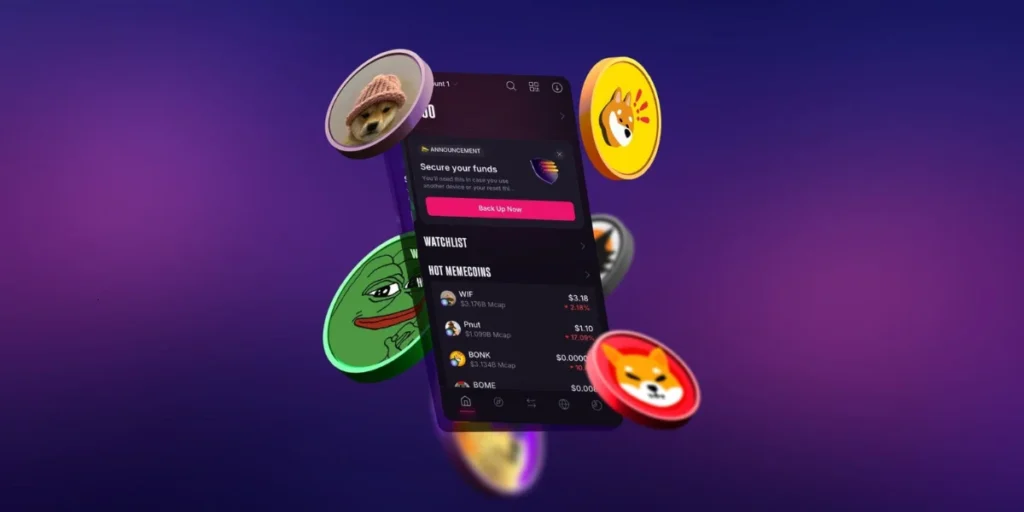
Australian residents can purchase meme coins through centralised exchanges or decentralised platforms. The process varies depending on whether the token trades on major exchanges or only on DEXs.
Step 1: Create an Account on an Australian Exchange
Visit the exchange website and click the sign-up button. Enter an email address and create a secure password, then agree to the terms and conditions. Once the email is verified, the account becomes ready for the next stage. Two-factor authentication (2FA) adds protection by requiring a code from a mobile device in addition to the password.
Step 2: Deposit Australian Dollars (AUD)
After account activation, deposit funds using several methods. PayID allows quick transfers by linking an email or mobile number to the account, with funds arriving instantly. Bank transfers move money directly using the exchange’s BSB and account number, taking one to three business days. Card deposits provide immediate access by entering debit or credit card details, though fees are typically higher. CoinSpot offers instant deposits through PayID and Direct deposit for verified accounts.
Step 3: Search for Your Chosen Meme Coin
Many meme coins do not trade on centralised exchanges. For tokens available on Australian platforms, navigate to the buy/sell page and search for the asset by name or ticker symbol. Coins not listed on centralised exchanges require purchasing base cryptocurrency such as Ether, Binance Coin, or Solana first. These base assets enable swaps on decentralised exchanges where meme coins trade.
Step 4: Place Your Buy Order
Exchanges offer different order types. Instant orders provide guaranteed quoted prices valid for 10 seconds, with a maximum size of AUD 15,289.90 per transaction. Market orders execute immediately at current prices for larger amounts up to AUD 152,899.02. Limit orders allow setting a specific buy price, remaining open until matched. Trigger orders automatically execute when reaching a predetermined price.
Step 5: Confirm and Complete the Purchase
Review the transaction details before confirming. Check the amount, price, and any fees. After confirmation, the cryptocurrency appears in the exchange wallet. The processing time depends on the order type and network conditions.
Step 6: Transfer Meme Coins Safely to Your Wallet
Open the self-custody wallet and locate the wallet address. Copy the address using the copy icon rather than typing manually to avoid errors. On the exchange, find the ‘Send,’ ‘Transfer,’ or ‘Withdraw’ option. Select the meme coin, enter the amount, and paste the wallet address into the recipient field. Confirm the transfer after verifying the address is correct. Transactions typically take several minutes to complete.
Where to Store Your Meme Coins Safely
Storage decisions determine whether meme coin holdings remain secure or vulnerable to theft. The choice between different wallet types affects both accessibility and protection levels.
Exchange Wallets vs External Wallets
Exchange wallets function as custodial solutions where platforms hold private keys on behalf of users. When deposits arrive at an exchange, assets are automatically store in the platform’s internal wallet. This setup removes technical management requirements, though users depend entirely on the platform’s security measures and regulatory compliance.
External wallets, known as non-custodial options, place full control in the hands of users who retain their private keys. No third party manages access to funds, meaning ownership and responsibility rest entirely with the individual. These wallets work across multiple exchanges and DeFi applications, providing flexibility that single-platform solutions cannot match.
The trade-off centres on convenience versus autonomy. Exchange wallets offer instant access for trading or converting immediately, making them beginner-friendly for users starting their journey. External wallets demand more setup but deliver higher security, as they remain less vulnerable to exchange-related hacks or outages.
Hot Wallets vs Cold Wallets
Hot wallets maintain internet connections, allowing quick access for transactions. These software tools store private keys on connected devices such as phones, tablets, and laptops. Popular options include Trust Wallet for multi-chain support across over 300 cryptocurrencies, whilst MetaMask serves Ethereum-based tokens.
Cold wallets store private keys offline, reducing exposure to online threats. Hardware devices resembling USB sticks cost between AUD 76.45 and AUD 305.80. Ledger and Trezor represent common choices, whilst Tangem provides cold wallet security through mobile app management.
Best Wallet Options for Meme Coin Trading
Active meme coin trading suits hot wallets like Bitget Wallet or MetaMask, which enable instant swaps. Bitget Wallet supports over 100 blockchains and features a built-in meme section tracking trending tokens in real-time. For Solana-based memes such as $WIF and $BONK, Phantom delivers the fastest performance.
Long-term storage requires cold wallets. Tangem supports over 16,000 tokens across 85+ blockchains, providing offline protection for significant holdings. Many traders adopt a hybrid approach: keeping trading capital in hot wallets whilst moving profits to hardware devices for safekeeping.
Risks and Safety Tips for Meme Coin Trading

Meme coin trading carries substantial risks that require careful management. Understanding these dangers helps protect capital from preventable losses.
Understanding Price Volatility
Meme coins experience extreme price volatility, with values dropping 50% to 90% within hours. Data shows that 97% of meme coins launched since 2024 have become worthless, with an average of 2,020 projects failing each month. Social media trends and celebrity endorsements drive rapid price fluctuations unrelated to traditional investment fundamentals. Low liquidity amplifies these movements, since small trades can trigger significant price swings. During market downturns, widened bid-ask spreads make selling at fair prices nearly impossible.
Position Sizing and Risk Management
Professional traders risk 1-2% of capital per trade. The formula is: Position Size = Risk Amount ÷ Stop Loss Distance. Risking more than 5% per trade constitutes gambling rather than trading. A 50% drawdown requires a 100% gain just to break even.
Tax Implications in Australia
Traders who operate businesses treating disposals as ordinary income face marginal tax rates, not capital gains treatment. Investors holding cryptocurrency as personal use assets may avoid capital gains tax. Nevertheless, capital gains tax applies when disposing of cryptocurrency through selling, gifting, trading, or converting to fiat. Holding assets for 12 months qualifies for the 50% CGT discount.
Conclusion – How to Buy Meme Coins in Australia
Australian traders now have everything needed to buy meme coins safely and compliantly. This guide covered account setup, AUD deposits, order placement, and secure storage options. The process itself isn’t complicated, provided that beginners follow each step carefully.
The real challenge lies in managing extreme volatility and avoiding scams. Purchasing meme coins in Australia can deliver spectacular gains or devastating losses within hours. Position sizing and proper risk management matter more than chasing viral trends.
Traders who prioritise security, understand tax obligations, and approach meme coin trading with realistic expectations stand the best chance of success. Keep holdings modest, particularly when starting, and remember that preservation of capital always comes first.
What exactly are meme coins and how did they originate?
Meme coins are cryptocurrencies inspired by internet memes, viral trends, or satirical jokes rather than specific technical purposes. They originated in late 2013 when software engineers Billy Markus and Jackson Palmer created Dogecoin as a joke based on the Doge meme featuring a Shiba Inu dog. This sparked an entirely new category within the cryptocurrency market, with over 4,800 types of meme coins now traded globally.
Do I need a special wallet to store meme coins in Australia?
Yes, you need a cryptocurrency wallet to store meme coins safely. You can choose between exchange wallets (where the platform holds your keys), self-custody wallets (where you control your private keys), or hardware wallets (physical devices that store keys offline). For active trading, hot wallets like Bitget Wallet or MetaMask work well, whilst cold wallets like Ledger or Tangem provide better security for long-term storage.
Are meme coins legal to buy in Australia?
Yes, meme coins are legal to purchase in Australia. However, cryptocurrency exchanges must register with AUSTRAC and comply with Anti-Money Laundering and Counter-terrorism Financing obligations. ASIC oversees financial services regulation, and traders must complete identity verification (KYC) requirements when opening exchange accounts. Australian exchanges operate under local regulatory oversight and must follow strict compliance standards.
How volatile are meme coin prices compared to other cryptocurrencies?
Meme coins experience extreme price volatility, with values potentially dropping 50% to 90% within hours. Data shows that 97% of meme coins launched since 2024 have become worthless, with an average of 2,020 projects failing each month. Their prices are driven primarily by social media trends and celebrity endorsements rather than underlying utility, making them significantly more volatile than established cryptocurrencies.
What are the tax implications of meme coin trading in Australia?
Capital gains tax applies when disposing of cryptocurrency through selling, gifting, trading, or converting to fiat currency. If you hold assets for 12 months or longer, you may qualify for the 50% CGT discount. Traders who operate as businesses may face marginal tax rates on disposals as ordinary income rather than capital gains treatment. It’s important to keep detailed records of all transactions for tax reporting purposes.