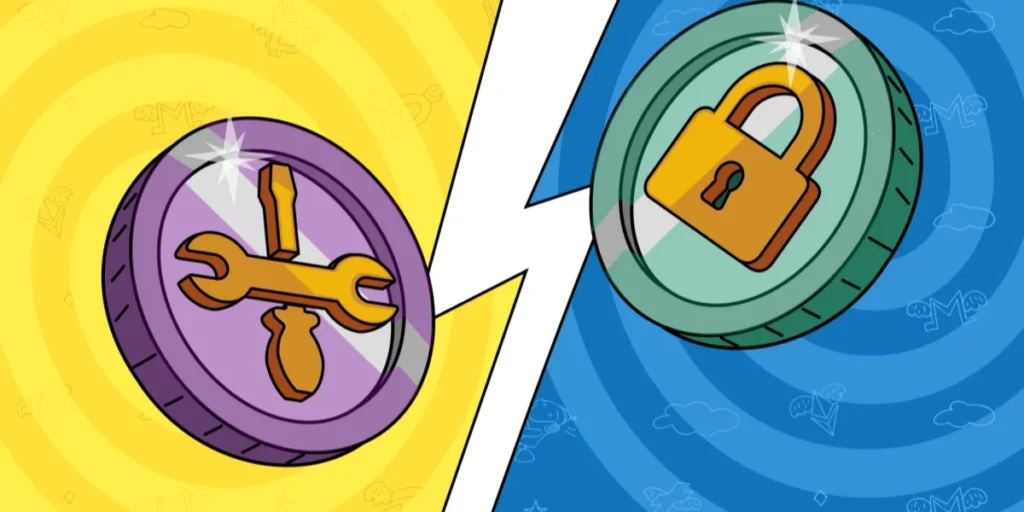
The debate around utility tokens vs security tokens often confuses newcomers to cryptocurrency, yet understanding this distinction is crucial for compliance and investment decisions. Utility tokens grant access to products or services within a specific blockchain system, whilst security tokens represent ownership in real-world assets.
This fundamental difference shapes everything from regulatory treatment to investment potential. Significantly, security tokens must follow federal regulations, whereas utility tokens face limited regulatory oversight. Whether participants are evaluating the utility tokens vs security tokens approach for a new project or comparing security vs utility tokens for investment purposes, grasping these core differences is essential. This guide breaks down the regulatory frameworks, use cases, and investment considerations to help readers navigate the choice between utility tokens vs security tokens with confidence.
Related Article: What Are Tokens? Your Practical Guide to Digital Assets
What Are Utility Tokens?
Core Functions and Purpose
Utility tokens provide holders with access to specific functions or services within blockchain ecosystems rather than serving as traditional investments. These digital assets act as operational fuel for decentralised applications, granting users the ability to interact with platform features, pay transaction fees, or participate in network activities. The distinction from Bitcoin and similar cryptocurrencies is clear: whilst Bitcoin primarily functions as a medium of exchange, utility tokens are integral to the operation of DeFi applications and decentralised services.
The core value proposition centres on functionality rather than ownership. Holders gain the right to use something, not own a portion of the issuing company. When someone holds a utility token for decentralised storage, they possess the ability to purchase storage space or computing power within that specific ecosystem.
How Utility Tokens Work in Blockchain Ecosystems
The creation process begins with platform selection, where development teams choose blockchains like Ethereum (ERC-20), Binance Smart Chain (BEP-20), or Solana (SPL). Smart contracts then define the token’s properties, including total supply, distribution parameters, and specific functions within the ecosystem. These contracts must adhere to chosen token standards to ensure compatibility across wallets and decentralised exchanges.
Once deployed, tokens are minted according to contract parameters, generating the initial supply allocated to project wallets, early adopters, and reserves. Utility tokens serve multiple roles: granting access to services, facilitating transactions, and incentivising participation. Filecoin uses its tokens for purchasing decentralised storage, whilst Golem tokens pay for computing power on the network.
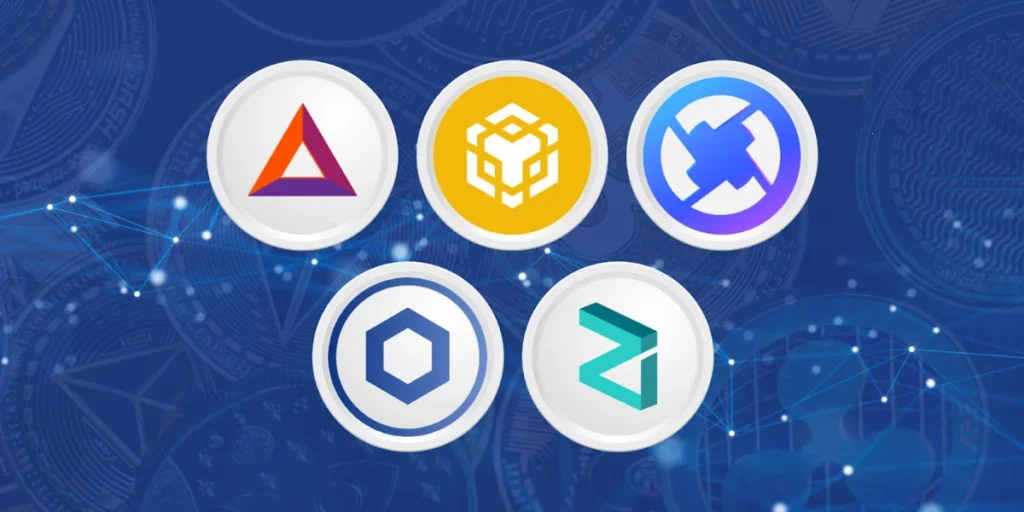
Examples: BAT, BNB, and ETH
Basic Attention Token (BAT) revolutionises digital advertising within the Brave browser ecosystem. Users earn tokens by viewing privacy-respecting advertisements and can use them to support content creators or access premium features. The token had 57.3 million monthly active users and 22.1 million daily users as of May 31, 2023.
Binance Coin (BNB) powers the Binance ecosystem, allowing holders to pay transaction fees at discounted rates, participate in token launches on Binance Launchpad, and interact with DeFi applications on BNB Chain. Ether (ETH) functions as gas for executing smart contracts on Ethereum, enabling users to pay transaction fees and validate network operations.
Initial Coin Offerings (ICOs) and Token Distribution
Projects typically raise capital through Initial Coin Offerings, where investors purchase tokens in exchange for established cryptocurrencies like Bitcoin or Ethereum. Distribution mechanisms include Initial Exchange Offerings (IEOs), airdrops, and token swaps. The ICO process involves publishing a whitepaper detailing project goals, technical specifications, and tokenomics before conducting private sales for early backers and public sales open to all investors.
What Are Security Tokens?
Ownership Rights and Asset Representation
Security tokens represent ownership or rights in underlying assets, functioning as blockchain-based digital instruments subject to securities regulation. These tokens record ownership of real-world assets on distributed ledgers, distinguishing them fundamentally from cryptocurrencies like Bitcoin or Ethereum that carry no ownership claims. A security token’s primary purpose centres on documenting asset ownership through tokenization, which involves recording the asset on a blockchain and issuing corresponding tokens.
The representation extends to equity stakes, debt obligations, or shares in tangible assets. Holders gain ownership access similar to traditional securities like stocks, with token value fluctuating based on the underlying asset’s valuation. Backed, an investment company, has tokenized Nvidia stocks and issued bNVDA, a token representing Nvidia shares held with licenced custodians, traded on INX security token exchange.
Security Token Offerings (STOs) Explained
STOs emerged as regulated alternatives to Initial Coin Offerings following regulatory scrutiny. The first STO was registered by US-based Praetorian Group on 6th March 2018 with the SEC, listing as a crypto real-estate investment platform. STOs comply with securities legislation in jurisdictions where tokens are offered, creating legal obligations for issuing company equity.
Real-World Asset (RWA) Tokenisation
Tokenization translates existing wealth forms into digital units representing tangible items like gold bars or commercial buildings, and intangible assets such as government debt or intellectual property. Paxos translates 400-ounce gold bars into 400 Ethereum-based tokens, each backed by one ounce of gold that holders can redeem at any point.
Examples: Equity, Debt, and Real Estate Tokens
Equity tokens record ownership on immutable ledgers maintained by networked computers, entitling holders to profit portions and voting rights. Debt tokens represent instruments like corporate bonds or real estate mortgages, with value depending on risk and dividend factors. Tokenized real estate enables fractional ownership, with minimum investments as low as AUD 1,528.99 compared to traditional requirements of tens of thousands.
Regulatory Frameworks: Security vs Utility Tokens
The Howey Test and Securities Classification
Regulatory classification hinges on the Howey Test, established by the U.S. Supreme Court in 1946. This framework determines whether transactions constitute investment contracts and thus securities. The test requires four elements:
- An investment of money
- In a common enterprise
- With an expectation of profits
- Derived from the efforts of others
If a digital asset meets all four criteria, it qualifies as a security and triggers strict registration, disclosure, and compliance requirements. The SEC’s March 2026 interpretation narrowed previous views by affirming that a common enterprise is required, potentially making secondary market transactions less likely to satisfy Howey. Critically, the SEC clarified that non-security crypto assets can become subject to investment contracts when issuers make representations about essential managerial efforts, but post-sale promises would not create investment contract status.
Related Article: The Future of Digital Assets Regulation in Australia
Federal Regulations for Security Tokens
Security tokens in the United States must comply with the Securities Act of 1933 and Securities Exchange Act of 1934. Most Security Token Offerings conduct sales under Regulation D (506c) for accredited investors, Regulation A+ allowing public offerings up to AUD 114.67 million, or Regulation S for offshore offerings. In the European Union, security tokens fall under MiFID II Directive, Prospectus Regulation, and Market Abuse Regulation rather than MiCA. Australia’s ASIC applies a “substance over form” approach, examining economic reality rather than technical labels.
Why Utility Tokens Face Limited Regulation
Utility tokens designed purely for accessing goods or services within ecosystems avoid securities classification. MiCA classifies these as “other crypto-assets” when they lack stabilisation mechanisms and don’t reference external assets. The decisive factor remains the issuer’s design intention and the token’s primary purpose rather than secondary market trading.
Compliance Requirements for Issuers and Holders
Security token issuers must prepare comprehensive disclosure documents including prospectuses or Product Disclosure Statements. KYC/AML rules and transfer restrictions are enforced through smart contracts. Platforms facilitating security token trading require SEC registration as broker-dealers and alternative trading systems. In Australia, entities dealing in tokens classified as financial products need an Australian Financial Services Licence.
Use Cases and Investment Comparison
Utility Token Applications: Access and Governance
Decentralised finance platforms utilise utility tokens to coordinate liquidity and facilitate transactions without traditional intermediaries. Filecoin grants token holders access to distributed data storage, whilst gaming platforms reward players with tokens for completing tasks and participating in in-game economies. Governance rights enable token holders to propose changes and vote on protocol upgrades, treasury expenses, and ecosystem projects. MakerDAO’s MKR token allows holders to guide the system maintaining the Dai stablecoin.
Security Token Investments: Dividends and Profit Sharing
Security tokens provide compensation tied to represented assets, similar to traditional stocks or bonds. Real estate tokenisation enables investors to receive fractional shares of rental income, with tokens tradable on digital exchanges for additional liquidity. The security token market capitalisation observed 500% growth in 2020, standing at AUD 686.52 million.
Risk Profiles: Volatility vs Regulatory Protection
Utility tokens carry project and adoption risk because their value depends on platform success. Security tokens inherit performance risk of underlying assets whilst bringing heavier compliance requirements. Correspondingly, utility tokens face greater price volatility, whereas security tokens benefit from regulatory oversight providing added transparency.
Valuation Models: Demand-Driven vs Asset-Backed
Utility token valuation correlates to actual demand within ecosystems. Security tokens derive value directly from underlying asset performance and appreciation. Asset-backed tokens appreciate as underlying assets gain value.
Choosing Between Utility and Security Tokens
Selection depends on individual goals, risk tolerance, and market understanding. Utility tokens suit users seeking platform access without ownership stakes, whilst security tokens attract investors prioritising asset-backed returns and regulatory protection.
Conclusion – Utility Tokens vs Security Tokens
The distinction between utility and security tokens boils down to purpose: access versus ownership. Security tokens offer asset-backed returns with regulatory protection, whilst utility tokens provide ecosystem access with fewer compliance burdens. Neither option is inherently superior. Indeed, the choice depends on specific goals and risk appetite. Investors seeking ownership stakes and dividends should explore security tokens. Those wanting platform access without regulatory complexity will find utility tokens more suitable. Understanding this difference is essential for informed participation in blockchain markets.
What is the fundamental difference between utility tokens vs security tokens?
Utility tokens grant access to specific functions or services within blockchain ecosystems, such as paying transaction fees or using platform features. Security tokens, on the other hand, represent ownership or rights in underlying assets like equity, debt, or real estate, functioning similarly to traditional securities with regulatory oversight.
Is Bitcoin considered a utility token?
No, Bitcoin is not classified as a utility token. Whilst utility tokens are designed to provide access to specific platform services or functions, Bitcoin primarily serves as a medium of exchange and store of value rather than granting access to particular ecosystem features.
How do regulatory requirements differ between security and utility tokens?
Security tokens must comply with federal securities regulations, including the Securities Act of 1933 and Securities Exchange Act of 1934, requiring comprehensive disclosure documents and registration. Utility tokens face limited regulatory oversight as they’re designed purely for accessing goods or services within ecosystems and typically don’t meet the criteria of the Howey Test for securities classification.
What are some examples of popular utility tokens?
Notable utility tokens include Basic Attention Token (BAT) used in the Brave browser ecosystem, Binance Coin (BNB) which powers the Binance platform and offers discounted transaction fees, and Ether (ETH) which functions as gas for executing smart contracts on the Ethereum network.