Prediction markets have surged to a combined monthly trading volume of $24 billion in May 2026, up from $5 billion a year earlier. However, the reality check is sobering: around 75% of retail clients lost money trading binary options, according to an ASIC review.
What are prediction markets, and how do prediction markets work? These platforms offer binary ‘event contracts’ based on future event outcomes, allowing traders to speculate on everything from elections to economic indicators. Whilst research has found that some prediction markets occasionally outperform traditional polls, the risks are substantial, especially on unlicensed platforms. This guide walks beginners through selecting platforms, placing trades, and protecting themselves whilst navigating these speculative markets.
Understanding What Prediction Markets Are
Participants in prediction markets trade event contracts structured as binary yes/no positions on future outcomes. Contracts trade between $0.02 and $1.53, with the price reflecting market-implied probability. A contract priced at $0.99 suggests a 65% chance the event occurs. Correct predictions settle at $1.53, whilst incorrect positions expire worthless.
How Prediction Markets Differ from Traditional Betting
The structural mechanics separate prediction markets from traditional sportsbooks. Traders compete against each other in a peer-to-peer model rather than betting against a house that sets fixed odds. Supply and demand determine contract prices through mechanisms like continuous double auctions and automated market makers. By comparison, bookmakers control pricing and take the opposite side of every wager.
Fee structures reflect this difference. Prediction markets typically charge 1% to 2% per trade, with fees sometimes peaking on contracts priced near 50 cents. Sportsbooks embed costs within odds, with standard lines carrying roughly 4.5% vig and parlays reaching 10% or higher. Prediction markets also permit position exits before event resolution, allowing traders to sell at current market prices. Traditional fixed-odds bets generally lock in pricing at placement, though some sportsbooks offer limited cash-out options.
Event coverage extends well beyond sports. Traders access contracts on political outcomes, economic indicators, technology launches, and cultural events alongside athletic competitions.
The Role of Crowd Wisdom in Forecasting
Prediction markets aggregate information through financial incentives. Traders with differing beliefs exchange contracts whose payoffs depend on unknown outcomes, and market prices capture this collective assessment. The mechanism processes new information quickly, making manipulation difficult.
Historical performance demonstrates crowd forecasting capability. The Iowa Electronic Markets predicted vote shares with an average absolute error of 1.5 percentage points one week before elections in 1988, 1992, 1996, and 2000, whilst final Gallup polls for the same elections averaged 2.1 percentage points. Market equilibrium, low transaction fees, and adequate liquidity enable accurate forecasts.
“While prediction markets experience localized liquidity surges during macro political or economic events, broader market capital cycles remain governed by the Bitcoin 4-year cycle.”
Common Event Categories Available
Political prediction markets track election outcomes, legislative actions, and party nominations. Economic contracts cover Federal Reserve decisions, GDP thresholds, and inflation reports. Sports markets offer positions on game results, championship winners, and individual player awards. Cultural contracts address entertainment awards, box office performance, and media releases. Environmental markets enable trading on climate events, temperature peaks, and carbon emissions. Corporate event contracts focus on product launches, merger activity, and earnings results.
Getting Started: Platform Selection and Account Setup
Choosing a regulated platform reduces counterparty risk and ensures consumer protections apply when disputes arise. Regulation status differs sharply between jurisdictions and platforms.
Evaluating Platform Regulation Status
The Commodity Futures Trading Commission oversees prediction markets as derivative instruments under federal jurisdiction in the United States. Kalshi received a Designated Contract Market licence from the CFTC in 2020, becoming the first platform to offer regulated event contracts to retail traders. As of October 2026, 13 federally regulated platforms operate within the United States. Some platforms function under state-level gaming licences, creating a jurisdictional split between federal oversight and state authority.
Regulatory positions vary internationally. Australian authorities classify prediction markets as illegal gambling services, with ACMA blocking unlicenced platforms. Operators expanding across borders require compliance architecture adaptable to each jurisdiction’s requirements, including KYC verification, AML monitoring, age verification, and geolocation controls.
Completing Registration and Verification
Platforms require personal information including full name, date of birth, residential address, and mobile number. Photo identification such as driver’s licences or passports must be submitted through app-based verification. Social Security numbers and utility bills may be requested during enhanced verification. Verification processes operate through integrated identity providers with flagging workflows for transaction patterns.
Making Your Initial Deposit
Bank transfers provide traditional funding with extended processing times. Debit and credit cards offer instant deposits but carry higher fees. Cryptocurrency deposits deliver fast settlement at lower costs.
How to Place and Manage Trades
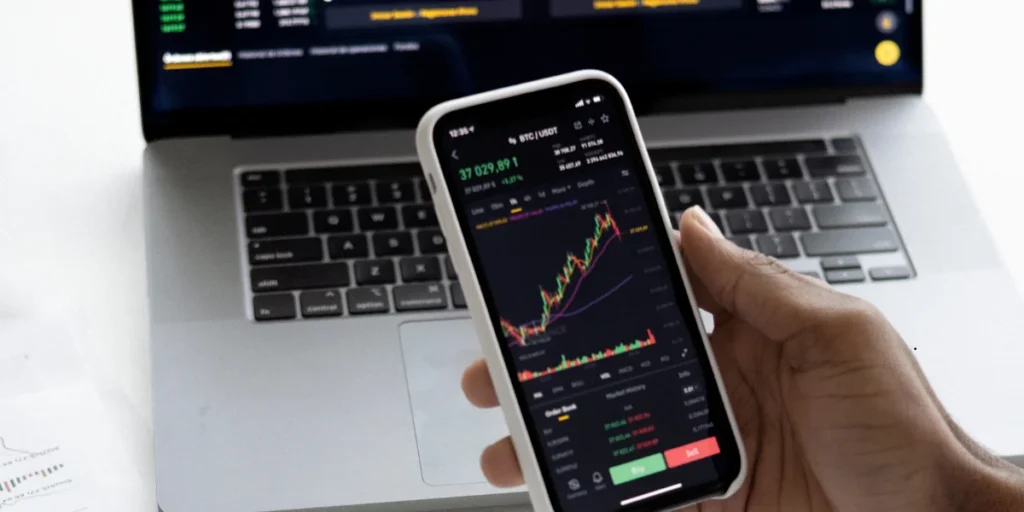
Contract prices function as direct probability indicators in prediction markets. A contract trading at 62 cents implies the market assigns a 62% chance of occurrence. Before entering positions, traders examine volume and open interest, as a 30-cent price backed by $2 million in volume signals different market confidence than identical pricing with only $400 in total trading. Time to resolution matters substantially—a market at 55 cents with three days remaining behaves differently from one at 55 cents with three months left.
Analysing Contract Prices and Odds
Analytics tools now pull live data from APIs and order books, enabling traders to spot mispriced markets and track liquidity. Platforms aggregate odds across venues, revealing arbitrage opportunities without manual checking. Recency of the last trade determines whether displayed prices reflect current information or represent stale quotes awaiting correction.
Determining Position Size Based on Risk Tolerance
Position sizing limits losses to 1-2% per trade, allowing survival through consecutive losses. The Kelly criterion calculates optimal allocation: f* = (bp − q) / b, where traders typically use fractional Kelly at 25-50% of the full calculation. Order book depth affects execution—thin markets can convert a 10-point edge into 4 points through slippage.
Placing Your First Trade
Traders select yes or no outcomes, then specify contract quantities. Limit orders allow price specification rather than accepting current market rates. Minimum orders start at one contract.
Tracking Performance and Closing Positions
Positions can be sold before event resolution to lock profits or limit losses. A trader buying at 30 cents and selling at 80 cents secures 50 cents profit per share without awaiting final settlement. Exit strategies include target price levels, time-based closures, and event-driven decisions.
Understanding Payout Structures
Correct predictions settle at $1.53 per contract. Incorrect positions expire worthless. Trading fees range from $0.01 to $0.04 per contract, with rates highest near 50-cent pricing.
Protecting Yourself and Trading Responsibly

Recognising Unlicensed Platforms
No prediction market operators hold licences to operate in Australia. Offshore platforms provide no access to consumer protections, dispute resolution processes, or client money safeguards. ASIC advises checking whether providers appear on ACMA’s register of blocked gambling websites before depositing funds. Unregistered entities operating outside regulated jurisdictions offer little recourse when disputes arise. Red flags include promises of guaranteed returns, celebrity endorsements, and pressure tactics suggesting urgent action.
Setting Loss Limits
Platforms offer deposit limits capped daily, weekly, or monthly. Lowering limits applies immediately, whilst increases take effect 48 hours after request. Timeout features lock accounts for 3 to 365 days, preventing access whilst allowing manual position closures. Self-exclusion commits traders to minimum one-year account suspension with automatic position liquidation. The 5% rule caps single-position risk at 5% of total bankroll. If capital drops 20% from peak levels, stopping trading for 48 hours prevents emotional decision-making during drawdowns.
Avoiding Information Asymmetry Risks
Traders face betting against participants holding confidential information. Platform enforcement actions have targeted political candidates trading on their own outcomes and content editors purchasing contracts on unreleased material. Information asymmetry discourages participation when certain traders possess edges through privileged access. Contract prices reflect only what participating traders know, creating gaps when critical information remains unavailable.
Conclusion – Prediction Market
Prediction markets offer unique opportunities to speculate on future events, but success requires careful platform selection and disciplined risk management. Traders who prioritise regulated venues, understand contract pricing mechanics, and implement strict position sizing protect themselves from the substantial losses that affect most retail participants. Certainly, the allure of profiting from crowd wisdom exists, yet responsible trading practises separate sustainable participants from the 75% who lose money. Start small, track performance diligently, and never risk more than acceptable losses.
Related Article: The Ultimate Crypto Tax Guide
What exactly are prediction markets and how do they work?
Prediction markets are platforms where participants trade binary contracts based on future event outcomes. Contracts trade between $0.02 and $1.53, with prices reflecting the market’s collective probability assessment of an event occurring. If your prediction is correct, the contract settles at $1.53; if incorrect, it expires worthless. Unlike traditional betting, traders compete against each other in a peer-to-peer model rather than against a bookmaker.
How much money do most people lose trading on prediction markets?
Approximately 75% of retail clients lose money trading binary options, according to regulatory reviews. The risks are substantial, particularly on unlicensed platforms. To protect yourself, implement strict position sizing (limiting losses to 1-2% per trade), set deposit limits, and never risk more than you can afford to lose. Starting small and tracking performance diligently are essential for responsible participation.
What fees should I expect when trading on prediction markets?
Fee structures vary by platform. Some charge between 1% to 2% per trade, with fees typically ranging from $0.01 to $0.04 per contract and sometimes peaking on contracts priced near 50 cents. Other platforms operate without direct transaction fees, instead earning revenue through the bid-ask spread. These costs impact net returns, especially for frequent traders, so comparing fee structures across platforms is important.
Can I exit my position before an event is resolved?
Yes, most prediction markets allow you to sell your position before the event concludes. This enables you to lock in profits or limit losses without waiting for final settlement. For example, if you purchase a contract at 30 cents and the price rises to 80 cents, you can sell immediately to secure a 50-cent profit per share, regardless of the eventual outcome.