
Millions use crypto portfolio tracking to monitor their assets. Platforms like CoinStats track over $100 billion in assets, while CoinLedger serves 500,000+ users. Managing assets across exchanges and wallets requires robust solutions. This article highlights the best crypto portfolio trackers and their features for performance, tax management, and market monitoring.
Understanding Crypto Portfolio Tracking in 2026
The best crypto portfolio trackers aggregates data from various sources to present a consolidated view of digital asset holdings. Instead of checking each exchange and wallet separately, these tools pull positions into one dashboard where users can see balances, profit and loss calculations, and asset distribution. Portfolio tracking functions as an observation tool rather than a custody solution, meaning it displays assets without holding or controlling them.
Portfolio tracking apps typically connect to crypto exchanges and wallets via APIs or wallet addresses to automatically retrieve transaction data. This creates a detailed record that serves multiple purposes beyond simple balance monitoring. The transaction history helps investors analyse performance by token, provides an audit trail for tax authorities, and enables users to understand portfolio composition and changes over time. Advanced platforms now detect staking rewards, liquidity pool positions, and yield generation activities, offering visibility into decentralised finance investments.
Price alert systems built into these trackers send notifications via email or text when significant market movements occur, allowing investors to execute strategies without constant manual monitoring. The tools also calculate cost basis and track capital gains, which proves essential during tax season when investors need accurate reporting of their crypto activity.
Why Manual Tracking Fails at Scale
Manual cryptocurrency tracking collapses under the weight of modern market complexity. Spreadsheet-based approaches cannot keep pace with thousands of tokens launching across multiple chains, where DeFi yields shift by the minute. The core problem stems from three critical failures: real-time price slippage renders manually logged trades obsolete before they are completed, multi-chain asset management across Ethereum, Solana, and layer-2 networks becomes unmanageable, and tax season cost-basis calculations devolve into guesswork.
Accurate transaction history remains essential for all portfolio tracking and calculations, yet errors in capital gains or cost basis often originate from incomplete or incorrect transaction records. Missing even minor transactions can significantly affect overall calculations. When holdings span multiple wallets, exchanges, chains, and DeFi positions, manual tracking quickly becomes stale, and decisions built on outdated data weaken accordingly.
The velocity and complexity of blockchain transactions now overwhelm human capabilities. Error rates skyrocket from mistyped wallet addresses, forgotten staking rewards, and missed airdrops. Security risks multiply when manual logs fail to detect threats in time, whilst tax compliance becomes impossible as jurisdictions enforce automated reporting for wash sales, NFTs, and cross-chain swaps. API-linked dashboards and automated portfolio reconciliation represent the only viable method to survive crypto’s relentless pace without losing capital or incurring penalties.
The Evolution of Portfolio Tracking Tools
Portfolio management tools have transformed significantly since Bitcoin’s early days. Initially, investors relied on basic spreadsheets or rudimentary software to monitor investments. Around 2013, platforms like CoinMarketCap and Blockfolio emerged as pioneers, providing real-time price data and basic portfolio tracking capabilities that enabled users to monitor price fluctuations, track holdings across exchanges, and gain insights into market trends. However, these early tools offered limited analytics and lacked integration with trading platforms.
By 2017, the explosive growth of Initial Coin Offerings and altcoins necessitated more robust solutions. Tools like Delta and CoinStats began offering advanced features, including support for multiple portfolios, automatic syncing with exchange accounts, and performance analytics. A major change occurred at this time, allowing investors to base their decisions not just on price information but also on in-depth knowledge.
Current portfolio management platforms have expanded to accommodate decentralised finance and non-fungible tokens. Modern tools now offer DeFi tracking to monitor yields from liquidity pools, staking, and lending platforms, alongside NFT management capabilities to track digital collectibles and art values. Security features have evolved to include two-factor authentication, hardware wallet compatibility, and encryption protocols. The integration of automation and artificial intelligence now enables automated rebalancing, market movement alerts, and AI-driven insights that streamline portfolio management whilst reducing the time required for manual tracking.
Before you begin syncing your accounts, it is important to remember the core security principles we covered in our guide on identifying safe crypto AI agents.
Best Crypto Portfolio Tracker App Options
Eight platforms dominate the portfolio tracking landscape in 2026, each addressing different investor priorities. Selection depends on whether tax reporting, DeFi visibility, or multi-asset monitoring takes precedence.
CoinLedger: Portfolio Management with Tax Integration
CoinLedger serves over 500,000 investors globally and provides automatic connections to exchanges, wallets, and blockchains. The platform supports integration with more than 500 platforms, eliminating manual transaction entry for most users. Portfolio tracking remains free, displaying asset amounts, prices, market values, cost basis, and unrealised returns across all imported wallets. Tax reporting separates CoinLedger from competitors, generating ATO-compliant capital gains reports when users upgrade to paid tiers starting at AUD 74.92 for 100 transactions. The system calculates cost basis automatically and identifies tax-loss harvesting opportunities, potentially saving thousands during filing season. Asset balances update hourly based on imported transaction data, with negative balance warnings flagging incomplete records.
CoinStats: Trading Across Multiple Exchanges
Supporting 300+ exchanges and wallets across 120+ blockchains, CoinStats handles more integration points than most competitors. The platform tracks 10,000+ DeFi protocols across 50+ chains, providing comprehensive visibility into decentralised positions. Free users can monitor up to 1,000 transactions, whilst premium plans, starting at AUD 21.39 monthly, unlock unlimited portfolio connections. CoinStats distinguishes itself through read-only API access that prevents fund movement while displaying balances and transaction history. The built-in wallet enables direct purchases, swaps, and yield farming without leaving the dashboard. Exit strategy features let users set predetermined sell prices, with AI algorithms suggesting targets based on market history.
Delta: Mobile-First Portfolio Analytics
Delta by eToro tracks stocks, cryptocurrencies, NFTs, and over 7,000 altcoins through integrations with 300+ exchanges and wallets. The mobile-first design extends across iOS, Android, and desktop platforms, synchronising data seamlessly. Free accounts connect up to two exchanges or wallets, whilst Delta PRO at AUD 152.88 annually adds unlimited connections, live auto-refreshing prices, and advanced portfolio metrics. The platform generates personalised portfolio graphs showing performance in BTC, ETH, or fiat currencies, with profit and loss tracking across hourly, daily, weekly, and longer timeframes. Delta PRO includes a “Why Is It Moving?” feature explaining price changes through AI-powered analysis of market data and news. Users can compare portfolio performance against Bitcoin, Ethereum, or other benchmarks to assess relative returns.
CoinMarketCap: Free Tracking with Extensive Coin Coverage
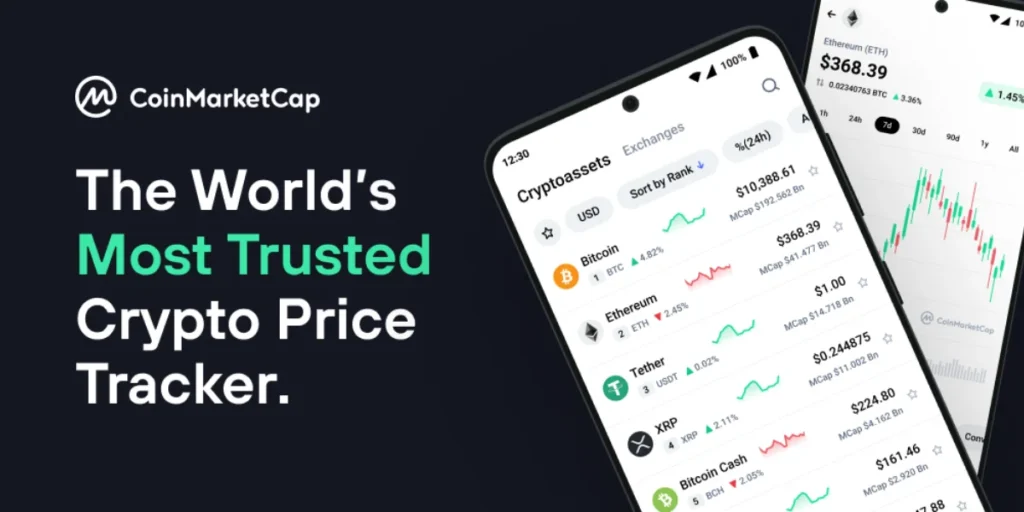
CoinMarketCap’s portfolio tool draws from a database of 20,000+ coins, providing extensive coverage for obscure tokens. The platform operates entirely through manual entry rather than automatic exchange syncing, requiring users to input each buy, sell, or transfer transaction. This approach suits investors managing simple portfolios who prefer full control over data entry. Real-time price updates ensure portfolio valuations reflect current market conditions. The tracker calculates total profit and loss percentages whilst identifying the best- and worst-performing assets. Privacy-focused users appreciate that portfolios remain completely private and can be edited or deleted at any time. Cross-platform synchronisation between web and mobile keeps data consistent.
CoinGecko: NFT and Token Tracking Combined
CoinGecko’s portfolio tracker provides real-time data on over 17,000 coins, along with NFT floor prices for 3,000+ collections. The platform supports wallet address tracking across 19+ blockchain networks, automatically displaying holdings, portfolio value, and profit-and-loss metrics. Free users can track up to two wallets, whilst premium subscribers monitor up to 100 wallet addresses simultaneously. NFT tracking spans Ethereum, Solana, Avalanche, Polygon, Arbitrum, and other chains, displaying floor prices, market caps, and trading volumes. The mobile tracker app includes customisable widgets for home-screen price monitoring and personalised alerts when the prices of coins in portfolios experience significant movements.
Kubera: Traditional and Crypto Asset Tracking
Kubera positions itself as an all-in-one wealth tracker connecting to 20,000+ banks, brokerages, and crypto exchanges worldwide. The platform tracks cryptocurrencies alongside stocks, real estate, vehicles, domains, and precious metals, creating a complete net worth view. Crypto-specific features include connections to popular exchanges such as Coinbase, Binance, and Kraken, as well as hardware wallet support for Trezor and Ledger. DeFi assets and NFT holdings integrate into the broader portfolio picture. Kubera Essentials costs AUD 380.72 annually, with a 100-day free trial offering unlimited feature access. The subscription model avoids data monetisation through ads or lead generation. Internal rate of return calculations benchmark portfolio performance against indices like the S&P 500.
Crypto Pro: Privacy-Focused Apple Tracking
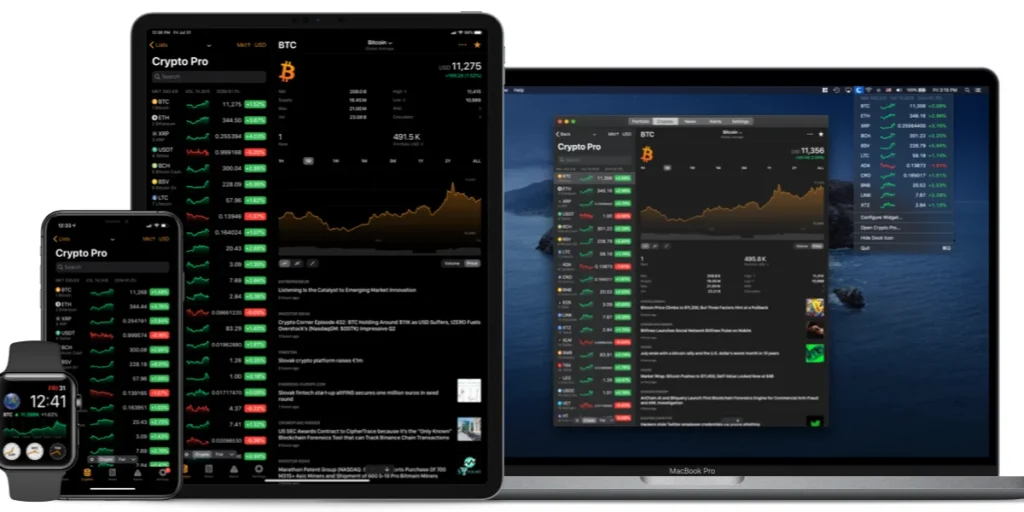
Operating exclusively within Apple’s ecosystem since 2015, Crypto Pro stores all data locally on devices rather than external servers. The app encrypts personal information and uses Apple Keychain to securely store API keys, ensuring no user monitoring or analytics collection occurs. Support extends across iPhone, iPad, Mac, and Apple Watch, with iCloud sync available for users wanting cross-device access. Automatic imports support wallet addresses or exchange API keys from platforms such as Coinbase, Binance, and Kraken. The free version provides comprehensive tracking, whilst premium subscriptions starting at AUD 12.22 monthly add detailed candlestick charts and automatic portfolio synchronisation. Customisable widgets display prices, charts, and portfolio summaries on home screens and the Mac menu bar.
Zapper: DeFi Investment Dashboard
Zapper functions as a portfolio tracker and on-chain discovery engine, covering more than 60 blockchain networks. The platform excels at multi-chain DeFi visibility, surfacing tokens, NFTs, positions, claimable rewards, and transaction history in a single interface. Users monitor wallets by connecting EVM-compatible addresses or entering ETH addresses directly, with no personal data sharing required. Zapper aggregates data from thousands of DeFi protocols, including Uniswap, Aave, Curve, and Balancer.
The activity feed transforms static snapshots into a live portfolio monitoring tool, showing what wallets actually do and where assets sit. Token swaps and cross-chain bridging are integrated directly through partnerships with Matcha and Socket. Zapper suits DeFi-native users managing positions across numerous protocols, on-chain researchers tracking wallet activity, and investors wanting discovery tools alongside portfolio management.
Key Features That Define Quality Portfolio Trackers
Thebest crypto portfolio trackers distinguish themselves through four core capabilities that determine their effectiveness for serious investors.
Automatic Import vs Manual Entry
Portfolio trackers employ three primary synchronisation approaches, each with distinct advantages. API-based integration is the most comprehensive method, pulling complete transaction histories and updating balances in real time. This approach works seamlessly with centralised exchanges like Kraken, Bitget, and Coinbase, where standardised API endpoints facilitate data extraction. The system automatically categorises transactions, distinguishing between purchases, sales, transfers, and rewards, which proves essential for accurate performance tracking.
Wallet address monitoring offers a complementary approach for decentralised holdings. By adding public wallet addresses, trackers scan blockchain networks to identify all associated transactions. This method works particularly well for Ethereum, Bitcoin, and other major blockchain assets, though it requires manual labelling to distinguish between personal transfers and actual trades.
CSV file imports serve as the fallback option when API access is unavailable or when consolidating historical data from defunct exchanges. Whilst less automated, this method allows users to standardise transaction formats and import bulk historical records. Manual entry remains necessary for off-chain assets, unsupported platforms, and over-the-counter transactions. Small portfolios with few trades can use this approach, though the time required and error rates make it unfeasible for active traders.
Exchange and Blockchain Connectivity
Leading portfolio trackers connect via public wallet addresses or read-only API keys without requiring private keys or withdrawal permissions. When users generate API keys from exchange accounts, trackers fetch historical trades, current balances, and ongoing transactions through RESTful APIs and WebSocket connections that maintain continuous data streams. The read-only configuration means trackers can view data but cannot execute trades or withdraw funds. Security implementations include API key encryption using industry-standard protocols and two-factor authentication as an additional layer.
Advanced platforms combine on-chain analysis with exchange APIs to create unified portfolio views. CoinStats supports over 300 wallets and exchanges across 50+ blockchains, offering the largest number of integrations.
Portfolio Visualisation Tools
User-friendly dashboards offer customizable views, clear asset breakdowns, and insightful analytics, including historical performance charts, profit-and-loss calculations, and portfolio allocation summaries. Real-time synchronisation with price feeds and blockchain transactions guarantees portfolio valuation reflects current market conditions instantly. Leading platforms provide DeFi position monitoring to track liquidity pools, staking, and lending activities, alongside NFT portfolio management. Performance analytics deliver detailed reports on profit and loss, impermanent loss, and historical trends.
Price Alert Systems
Modern price alert systems support multiple notification channels, including mobile push notifications, email alerts, SMS messages, and webhook integrations. Advanced platforms support complex conditional alerts based on percentage changes, absolute price thresholds, volume spikes, technical indicator crossovers, and multi-asset correlations. Users can set alerts for portfolio value thresholds or unusual transaction activity detected across monitored accounts. CoinGecko enables alerts based on RSI levels, moving-average crossovers, and custom portfolio-value thresholds. The platform’s alert system supports complex conditional logic, allowing multi-factor triggers.
Portfolio Tracker Security and API Connexions

Security architecture determines whether portfolio trackers protect investor data or expose it to exploitation. Understanding how these systems authenticate, what permissions they require, and which safeguards protect sensitive information separates secure tracking from potential vulnerabilities.
How API Integrations Work
API connections require authentication using three parameters: an API key, a nonce (or expiry timestamp), and a signature. Users generate API keys from exchange settings pages, selecting the appropriate access level for their intended usage. The authentication process uses HMAC-SHA256, with the signature combining the API method URL and comma-separated parameter values, encoded using the API secret generated alongside the key. Exchanges verify each request by comparing the submitted signature against their own calculation using the stored secret.
Nonce-based authentication requires a 64-bit unsigned integer that increases with each request, whilst expiry-based systems accept Unix UTC timestamps, rejecting those that are dated or more than 30 seconds in the future. IP whitelisting adds another security layer, with exchanges automatically disabling keys created without IP restrictions after six months of inactivity.
Read-Only Access Explained
API permissions operate across three distinct levels with varying risk profiles. Read-only access allows applications to view transaction histories and balances without altering account data or executing any actions. This configuration suits portfolio trackers and tax software that require transaction visibility for analysis. Trade access permits external applications to execute buy and sell orders, which are appropriate for high-frequency trading systems but require complete trust in the receiving application. Transfer access enables fund withdrawals and deposits, posing a significant risk if compromised credentials are used to drain accounts entirely.
CoinLedger and similar tax platforms request only read-only permissions, ensuring they cannot access funds or execute trades. Users can alternatively upload transaction history via CSV files, bypassing API connections altogether.
Protecting Your Portfolio Data
Portfolio trackers encrypt API keys using industry-standard protocols and securely store them. CoinTracker operates as SOC 2 Type II compliant, demonstrating adherence to rigorous security standards verified by independent auditors. The platform conducts annual penetration testing by third-party experts to identify vulnerabilities. Users maintain full control over data deletion, with account removal permanently erasing wallets, exchanges, transactions, and trade histories.
Crypto Pro takes a different approach, storing all data locally on devices rather than external servers. The application encrypts personal information and uses Apple Keychain to store API keys, ensuring no user monitoring or analytics collection. Privacy-focused features include balance hiding and percentage-based displays for checking portfolios in public settings.
Bank-Grade Security Standards
Leading platforms implement encryption to protect data both at rest and in transit. Beyond passwords, multi-factor authentication provides an additional degree of security. Token-based two-factor authentication prevents unauthorised access to accounts even with compromised credentials. Security protocols vary between trackers, making research into individual platform measures worthwhile before committing sensitive financial data. Users should enable 2FA on tracker accounts, use password managers to generate strong, random passwords, and remain vigilant against phishing attempts that request account verification.
Making Your Portfolio Tracker Selection
Selecting the best crypto portfolio tracker requires matching platform capabilities to personal investment patterns rather than chasing feature lists.
Matching Trackers to Investment Style
Investment approach determines tracker requirements. Long-term holders monitoring positions weekly need different tools than active traders executing multiple daily transactions. DeFi participants require platforms with robust protocol coverage across chains, whilst exchange-focused traders prioritise breadth of API connectivity. Transaction volume directly influences which pricing tier provides value, as platforms structure costs around monthly or annual activity levels.
Mobile vs Desktop Priorities
Desktop interfaces excel at visualising correlations, tax windows, and rebalancing decisions through expansive screen space. Mobile apps are well-suited for quick price checks and transaction execution, though deliberate portfolio management benefits from desktop analysis tools. Many investors adopt both approaches simultaneously for complementary functionality.
Integration with Tax Software
Tax reporting capabilities save considerable time during filing season. CoinLedger integrates directly with TurboTax, streamlining the transfer of capital gains data. Platforms generating jurisdiction-specific forms reduce accountant fees and compliance risks.
Starting with Your First Tracker
Trial periods allow hands-on platform evaluation before financial commitment. Testing should verify exchange compatibility, assess interface usability, and confirm automated synchronisation functions are working properly. Starting with free versions helps identify whether basic features suffice or premium capabilities justify subscription costs.
Conclusion – Best Crypto Portfolio Tracker
Portfolio trackers have evolved from basic spreadsheets into sophisticated platforms handling multi-chain DeFi, NFTs, and automated tax reporting. As shown above, investors can choose between comprehensive solutions such as CoinLedger for tax integration, CoinStats for multi-exchange trading, or specialised tools such as Zapper for DeFi monitoring. Free versions provide adequate functionality for beginners, whilst active traders benefit substantially from premium features including unlimited transaction tracking and advanced analytics. Ultimately, the best crypto portfolio tracker depends on individual requirements: transaction volume, supported blockchains, security preferences, and whether tax reporting justifies subscription costs. Starting with free trials allows investors to evaluate platform compatibility before committing financially.
Check Out Our Master Article: Investing Guide 2026: How Markets Are Shaping the Year Ahead
Which portfolio tracking system is best for cryptocurrency investors?
The best crypto portfolio tracker depends on your specific needs. CoinLedger excels in tax integration and serves over 500,000 users globally, whilst CoinStats offers extensive exchange connectivity across 300+ platforms. For DeFi-focused investors, Zapper provides comprehensive protocol tracking across 60+ blockchain networks. Mobile-first users often prefer Delta, and those seeking free options with broad coin coverage typically choose CoinMarketCap or CoinGecko.
Why is manual cryptocurrency tracking ineffective for larger portfolios?
Manual tracking fails at scale due to the complexity of modern crypto markets. Spreadsheets cannot keep pace with thousands of tokens across multiple blockchain networks, where DeFi yields change constantly. Real-time price movements render manually logged trades outdated almost immediately, whilst managing assets across various chains, exchanges, and wallets becomes unmanageable. Additionally, error rates increase significantly from mistyped addresses, forgotten staking rewards, and missed airdrops, making accurate tax calculations nearly impossible.
How do API connections work with portfolio trackers?
API connections allow portfolio trackers to automatically retrieve transaction data from exchanges and wallets using read-only access. Users generate API keys from their exchange settings, which authenticate requests through encrypted signatures. These read-only permissions enable trackers to view balances and transaction histories without the ability to execute trades or withdraw funds, ensuring your assets remain secure whilst providing comprehensive portfolio visibility.
What features distinguish free portfolio trackers from premium versions?
Free portfolio trackers typically offer real-time price updates, basic visualisation tools, and limited exchange connections, making them suitable for simple portfolios. Premium versions unlock advanced features including unlimited transaction tracking, automated tax reporting, comprehensive DeFi protocol monitoring, multiple portfolio management, and priority customer support. Transaction limits represent the primary differentiator, with free plans often restricting tracking to 100-1,000 transactions before requiring paid upgrades.